
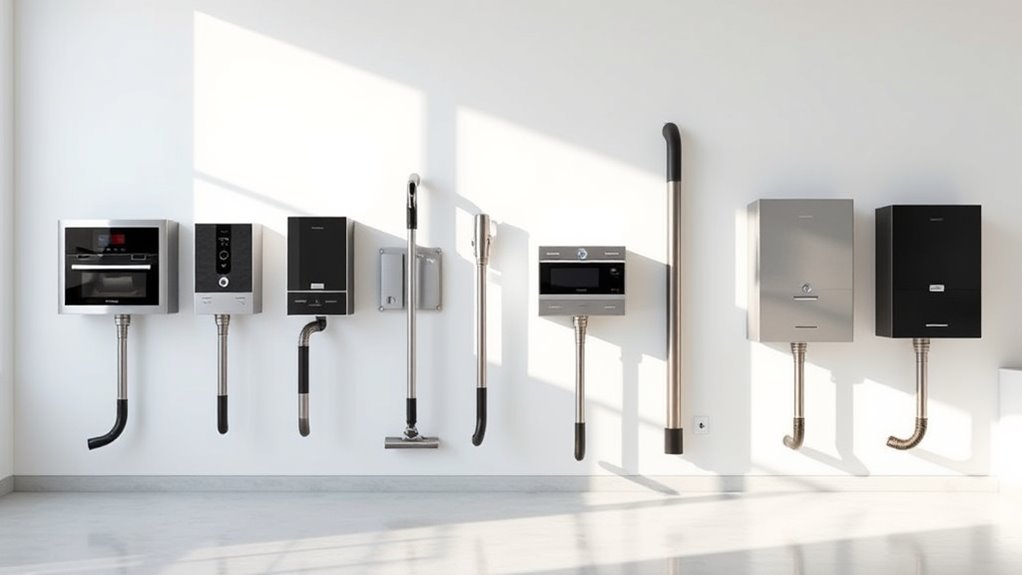
10 Central Vacuum Systems and How Much They Cost in 2026
If you’re shopping for a central vacuum system in 2026, you’ll find a range of prices depending on what you need. Smaller models start at around $675, while premium setups with double motors and advanced features like HEPA filters or smart-home integration can cost over $3,000.
Installation usually adds another $400 to $2,000 to your budget, depending on your home’s size and layout.
Don’t worry—budget-friendly options can still deliver great performance without breaking the bank.
Keep exploring to uncover important details about brands, warranties, and upgrades that can affect your overall investment. This way, you’ll make a smart choice that fits both your home and your budget.
Key Takeaways
- Central vacuum systems in 2026 range from $675.99 to $3,000+, depending on motor size and custom features. So, whether you want a basic setup or something more powerful, there’s a wide price range to choose from.
- Installation costs vary from $400 to $2,000. It’s usually higher for retrofits and depends on your home’s layout and local labor rates.
- Cyclonic and filtered systems differ in maintenance needs. Cyclonic models typically require less frequent filter changes, which can save you time and hassle.
- Upgrades like HEPA filters, smart-home integration, and specialty brushes add $100–$500 to the overall costs. These extras can really boost your system’s performance and convenience.
- Reputable brands offer warranties of 5–10 years on motors. Plus, they provide strong customer support to ensure long-term reliability and peace of mind.
Central Vacuum System Costs: What to Expect in 2026
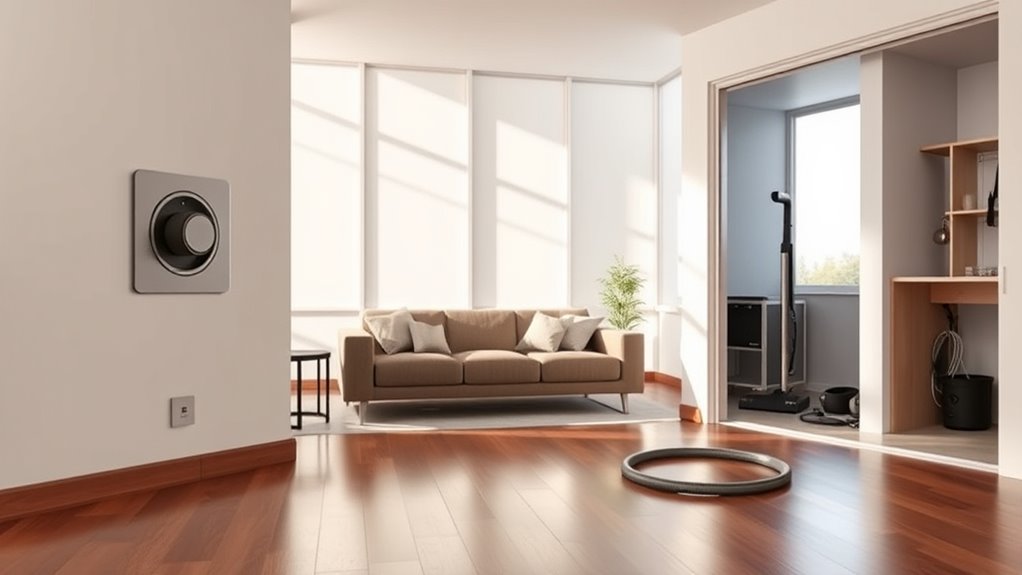
While costs can vary widely, you can typically expect to pay between $1,094 and $2,194 to have a central vacuum system professionally installed in 2026, with most homeowners spending around $1,583. Central vacuum system costs largely depend on your home size and system type.
Smaller homes up to 1,500 sq ft might see installation costs as low as $240, whereas larger or custom setups can reach $3,000. Labor costs usually range from $50 to $120 per hour, affecting your final bill.
Don’t forget to factor in permits, which may add $50 to $200, especially if additional construction work is required. Upgrades like HEPA filters or retractable hoses can also increase expenses.
Beyond the basics, costs for wall patching, delivery, and cleanup might add up. Knowing these factors helps you budget accurately and guarantee your central vacuum system installation goes smoothly without unexpected expenses.
Types of Central Vacuum Systems: Cyclonic vs Filtered
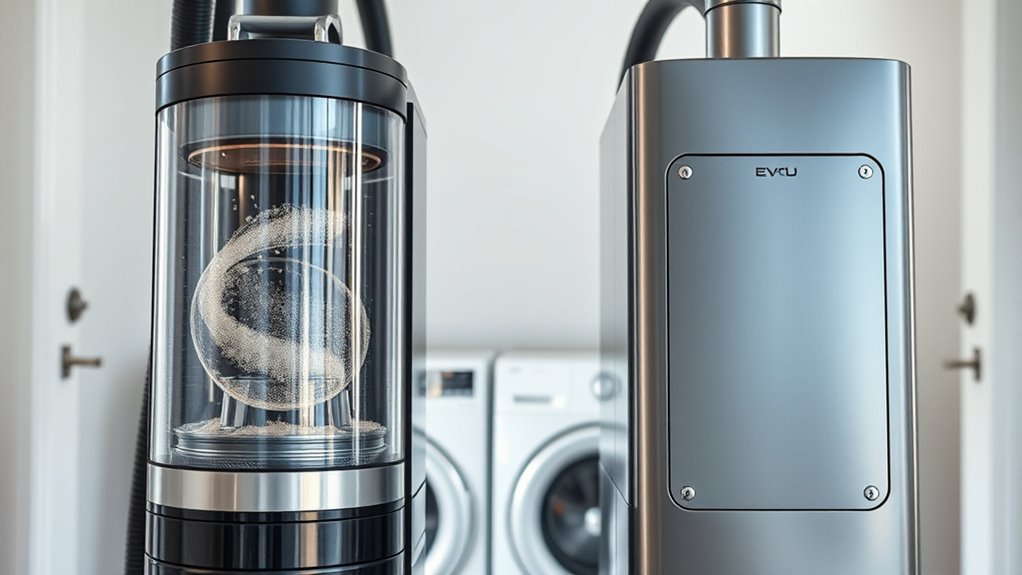
You’ll find cyclonic systems offer low maintenance by using centrifugal force to separate dirt without filters, keeping costs flexible.
Filtered systems, on the other hand, trap fine particles with high-efficiency filters, making them great for improving indoor air quality.
Choosing between them depends on your budget, how much upkeep you want, and your air quality needs.
Cyclonic System Benefits
Because cyclonic central vacuum systems use centrifugal force to separate dirt and debris, they don’t rely on filters or bags. That means you won’t have to worry about clogging or frequent replacements.
Cyclonic systems maintain strong airflow and suction, which improves air quality by reducing airborne particles. This is especially beneficial if you have pet hair or allergies.
They require minimal maintenance since you only need to empty the dirt canister periodically. Being filterless, they offer consistent performance without the hassle of filter changes.
| Benefit | Description | Impact |
|---|---|---|
| Dirt Separation | Uses centrifugal force | Keeps air clean |
| Maintenance | Empty canister, no filter changes | Saves time and money |
| Airflow & Suction | No clogging, consistent power | Efficient cleaning |
Filtered System Features
Although filtered central vacuum systems rely on paper, cloth, cartridge, or foam filters to trap dust and allergens, they offer significant benefits for improving indoor air quality. If you’re an allergy sufferer, these systems provide enhanced air purification by capturing fine particles, especially models with HEPA filtration.
Filtered units use filters and bags that require regular filter replacement to maintain high filtration efficiency and consistent performance. This design helps guarantee the dust and allergens stay contained, preventing them from recirculating into your living space.
While filtered systems may need more upkeep than cyclonic ones, their ability to deliver improved air quality makes them a smart choice for homes focused on health and cleanliness. You’ll appreciate the cleaner, fresher air these systems provide.
Maintenance And Costs
When comparing cyclonic and filtered central vacuum systems, understanding their maintenance demands and costs is essential for making a smart investment. Cyclonic systems have lower initial costs but may require more frequent upkeep because they don’t use filters.
Filtered units need regular filter replacements and filter maintenance. This increases ongoing expenses but helps improve air quality.
Both types come with repair costs and benefit from warranty coverage, which can reduce unexpected expenses.
| Aspect | Cyclonic System | Filtered System |
|---|---|---|
| Maintenance Costs | Moderate | Higher (due to filter upkeep) |
| Filter Replacements | None | Frequent (paper/foam/cloth) |
| Ongoing Expenses | Moderate repair costs | Higher due to filter and bags |
| Warranty Coverage | Standard | Standard |
Knowing these details helps you balance cost against system upkeep. It’s all about finding what works best for your needs.
Key Features That Influence Central Vacuum System Costs
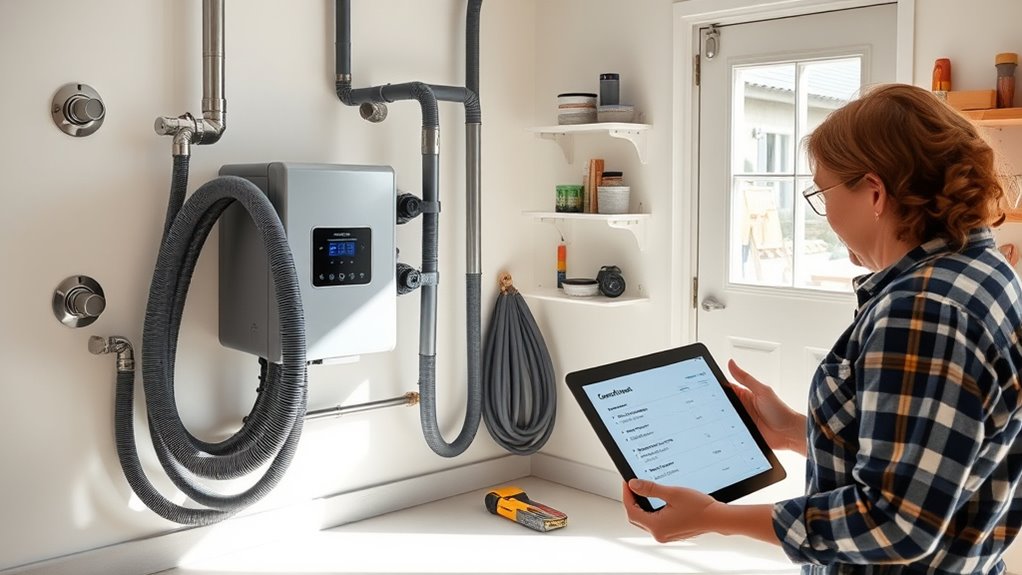
Several key features determine how much your central vacuum system will cost, and understanding them can help you make smarter choices.
Understanding key features of your central vacuum system helps you make smarter purchasing decisions.
The power unit is a major factor, with prices ranging from $400 to $2,000 depending on motor strength and brand quality. Installation costs vary widely, especially if you’re retrofitting. That usually demands more material and labor because of complex piping and inlet placement.
Here are three key cost influencers to weigh:
- Filtration systems – Upgrading to HEPA or SilverClear filters and adding accessories can add $100 to $500 each to your upfront expenses.
- System features – Extras like smart-home integration or retractable hoses increase your total price beyond basic setups.
- Inlet placement and piping – The number and strategic placement of inlets directly impact installation complexity and labor costs.
Brand Reputation and Warranty Coverage for Central Vacuums
Because central vacuum systems represent a significant investment, choosing a reputable brand with strong warranty coverage can save you money and hassle down the line. Brands like Beam, VacuMaid, and CycloVac have earned their brand reputation by offering reliable warranties and excellent customer service.
Typically, you can expect warranty coverage ranging from 5 to 10 years on motors and 1 to 5 years on accessories. Higher-end models often include extended warranties that cover parts and labor, providing extra peace of mind.
Warranty coverage usually includes manufacturer defects but excludes damage from improper installation or maintenance. It’s essential to review the warranty terms carefully so you know how to handle repair and replacements efficiently.
Opting for a brand with dependable customer service ensures you’ll get help quickly if issues arise. Overall, prioritizing brand reputation and warranty coverage helps protect your investment and keeps your central vacuum system running smoothly for years.
Installation Costs: What to Expect for Each System
Although central vacuum systems offer long-term convenience, you should be prepared for installation costs that typically range between $400 and $2,000. These costs vary based on your home’s size, layout, and whether you’re installing during new construction or retrofitting an existing space.
Here’s what impacts installation costs the most:
- Retrofit vs. New Construction: Retrofitting takes 6 to 12 hours and is pricier due to challenging piping routes, while new builds are considerably 25-40% cheaper.
- Additional Expenses: Permits ($50–$200), electrical upgrades ($100–$300), and extra inlet valves ($130–$300 each) add to costs depending on your setup.
- Regional Labor Rates: Labor costs vary considerably by region and affect the overall price.
Top 10 Central Vacuum Systems to Consider in 2026
When choosing a central vacuum system, you’ll want to evaluate models that match your home’s size and cleaning needs while fitting your budget.
In 2026, top systems like the CVS-07DP, CVS-11DP, and CVS-16DP offer varying power and capacities tailored for different home sizes, from small to extensive properties.
Prices range from about $675.99 for smaller units to over $1,149.99 for double-motor models.
These systems deliver strong suction power—some up to 900 air watts—and feature large capacities, with tanks reaching 9 gallons, ensuring efficient deep cleaning.
Advanced filtration options, including HEPA and SilverClear filters, improve indoor air quality by controlling allergens effectively.
You’ll find models suitable for new builds or retrofit installation, each with distinct features to weigh.
Balancing system costs and installation requirements with your home’s size and desired filtration and power will help you select the best central vacuum system for 2026.
Central Vacuum Upgrades and Accessories That Add to Costs
Upgrading your central vacuum system with specialty brushes, HEPA filters, or retractable hoses can quickly increase your overall costs, often adding between $100 and $500 per item. These upgrades enhance cleaning efficiency but come at a price.
Also, you might want to add more inlets or attachments. Keep in mind, this raises both material and labor costs.
High-end accessories like pet grooming brushes or multi-surface tools often add $50 to $100 each, which can further increase your expenses.
Here are three common upgrades and accessories that add to your central vacuum costs:
- Advanced Filters and HEPA systems – They improve air quality but add significant costs.
- Additional Inlets and Attachments – These expand your cleaning reach but increase installation complexity.
- Specialty Brushes and Smart Features – They offer convenience and specialized cleaning but come at a premium price.
Energy Efficiency and Maintenance: Long-Term Cost Impact
You’ll find that energy-efficient motors keep your electricity costs low while powerful filtration systems mean you won’t need to replace filters too often.
Staying on top of regular maintenance helps avoid expensive repairs and keeps your system running smoothly for years. By managing these factors, you’ll save money and maintain better indoor air quality over the long term.
Energy Consumption Rates
Although central vacuum systems are known for their convenience, their energy consumption remains impressively low. Typically, you’ll spend between $10 and $30 annually on electricity.
This depends largely on motor size and how often you use the system. To maximize energy efficiency and guarantee long-term energy savings, keep these points in mind:
- Choose high-efficiency models with advanced motors to cut energy use by up to 25% compared to older units.
- Perform regular maintenance, like replacing motor brushes and filters every 3-5 years, to maintain peak performance.
- Ensure piping is properly sealed and insulated to reduce air leaks. This decreases motor workload and lowers your electricity costs.
Filter Replacement Frequency
Keeping your central vacuum system energy-efficient means paying close attention to filter replacement frequency. Typically, you’ll need to replace filters every 6 to 12 months, depending on your system and usage.
If you use HEPA filters or SilverClear pre-motor filters, plan on changing them about every six months to maintain peak energy efficiency. Regular filter replacement prevents motor strain, which helps reduce energy consumption and preserves suction power.
Neglecting timely filter changes can cause your system to work harder, increasing electricity costs and risking damage. Incorporating filter replacement into your system maintenance routine supports long-term savings by avoiding costly repairs and extending your vacuum’s lifespan.
Staying consistent with filter frequency ensures your central vacuum runs smoothly and efficiently for years to come. So, keep an eye on those filters — your vacuum will thank you!
Maintenance Cost Benefits
When you maintain your central vacuum system regularly, you’ll save money on energy and repairs in the long run. Proper maintenance, including timely replacement of filters, keeps your system running efficiently and reduces ongoing costs.
Here’s how maintenance benefits you:
- Lower energy bills: Central vacuums use minimal electricity ($10-$30 annually), and clean filters ensure *best* energy efficiency.
- Extended lifespan: Regular upkeep can make your system last over 20 years, cutting down expensive replacement costs.
- Fewer repairs: Durable motors and HEPA filters reduce breakdowns, lowering repair expenses.
Repair and Replacement Costs for Central Vacuum Models
If your central vacuum system starts acting up, you’ll want to understand the potential repair and replacement costs to make informed decisions. Repair costs vary widely, typically ranging from $100 to $500 for minor issues and can exceed $1,500 for major repairs.
Motor repair usually falls between $300 and $700, depending on your model and brand. Common repair expenses include replacing hoses, filters, or inlet valves, each costing between $50 and $200.
If your system is outdated or heavily damaged, central vacuum replacement might be more cost-effective, with replacement prices ranging from $800 to $3,500. Prioritizing regular system maintenance and timely repairs can extend your vacuum’s lifespan, preventing costly replacements and ensuring it runs efficiently.
Best Value Central Vacuum Systems in 2026
You’ll find affordable central vacuum systems like the CVS-07DP offer solid coverage without breaking the bank. It’s important to weigh the features you need against the price to get the best value for your home.
Understanding how cost relates to power, capacity, and filtration will help you make a smart choice. Don’t forget to think about what matters most to you before deciding.
Affordable System Options
How can you get a reliable central vacuum system without breaking the bank? Affordable options in 2026 offer a great balance between system cost and performance.
You can find budget-friendly central vacuum systems priced between $800 and $1,500. These include cyclonic units that avoid bag expenses.
Installation costs typically run from $400 to $1,000, influenced by home size and retrofit complexity. So, it really depends on your specific situation.
Here’s how to choose smartly:
- Opt for cyclonic systems to reduce ongoing maintenance.
- Consider filtered models with HEPA or SilverClear filters for better air quality.
- Pick reputable brands with solid warranties to ensure durability without overspending.
Cost Versus Features
Finding an affordable central vacuum system is a great start, but weighing cost against features helps you get the best value in 2026.
Central vacuum costs vary from $800 to $2,000, depending on upfront cost, filtering quality, and installation complexity. Systems with HEPA filters and dual motors cost more but offer better cleaning and longer warranty coverage.
Smart features and versatile accessories may raise costs but improve convenience. Use system comparison to balance noise levels, maintenance, and durability for maximum value.
Frequently Asked Questions
How Much Should a Central Vacuum System Cost?
You should expect to pay between $1,000 and $2,200 to install a central vacuum system, though smaller setups might cost less. Prices vary by home size, system features, and installation complexity.
It really depends on what you need and how big your home is. Some systems have extra features that can change the price, and tricky installations might cost a bit more too.
Do People Still Install Central Vacuums?
Yes, people still install central vacuums because you’ll appreciate their powerful suction and improved air quality.
You’ll find them especially practical in larger homes, offering convenience and long-term value despite portable vacuum alternatives.
They might not be as common as handheld vacuums, but for many, the benefits make them worth it.
What Is the Best Central Vacuum System to Buy?
You’ll want the Drainvac Turbo or Cobra for the best performance, especially in large homes. They offer strong suction, quiet operation, and advanced filtration.
Look for dual motors and smart features to maximize efficiency. These little extras really make a difference.
How Much Does a New Central Vacuum System Cost?
You’ll typically spend around $1,583 for professional central vacuum installation. Costs vary based on home size and features, so expect anywhere from $800 to $3,500 depending on what system and extras you choose.
It really depends on what you want and the size of your home. Some people go for basic setups, while others add extra features that can bump up the price. So, think about what fits your needs and budget before deciding.
Conclusion
When choosing a central vacuum system in 2026, consider both upfront and long-term costs. For example, Sarah opted for a cyclonic model with energy-efficient features. Though it cost more initially, her lower maintenance and repair expenses saved her money over time.
By weighing installation, brand reputation, and upgrades, you can find a system that fits your budget and lifestyle. This approach ensures cleaner living without breaking the bank.
Remember, the best central vacuum system balances price with quality and efficiency. Investing a bit more upfront might mean fewer headaches down the road. So, take your time exploring options and think about how each system’s features align with your needs and home. That way, you’ll enjoy a cleaner home and smart savings well into the future.


One Comment