
How Often Should I Vacuum: 10 Essential Frequency Tips
You should vacuum based on your floor type, foot traffic, pets, and allergies. Different surfaces and household conditions really change how often you need to clean.
For example, carpets in busy areas need vacuuming 2-4 times weekly, while hard floors usually require once or twice weekly.
Homes with pets or larger families benefit from daily or every-other-day cleaning to control hair and dander.
Allergy sufferers should use HEPA-filter vacuums and clean high-use zones often.
It’s all about adjusting your routine to what works best for your home’s needs.
Don’t forget to tweak your vacuuming schedule seasonally.
Learning smart tips can help keep your home cleaner and healthier, plus make your floors last longer.
It’s easier than you think to stay on top of it!
Key Takeaways
- Vacuum high-traffic carpeted areas 2-4 times weekly to prevent dirt buildup and maintain appearance. This helps keep your carpets looking fresh and clean.
- Vacuum hard floors once or twice a week, and if you have pets or busy zones, you might want to do it more often. It’s all about keeping those floors spotless.
- Clean pet-frequented areas daily or every other day to control fur and allergens. Pets can leave behind quite a bit, so staying on top of this really helps.
- Low-traffic rooms can be vacuumed weekly or whenever you notice dust. No need to overdo it where there’s not much foot traffic.
- Use HEPA-filter vacuums and increase cleaning during allergy seasons for better air quality. This can make a big difference if allergies are an issue.
How Often to Vacuum Different Flooring Types
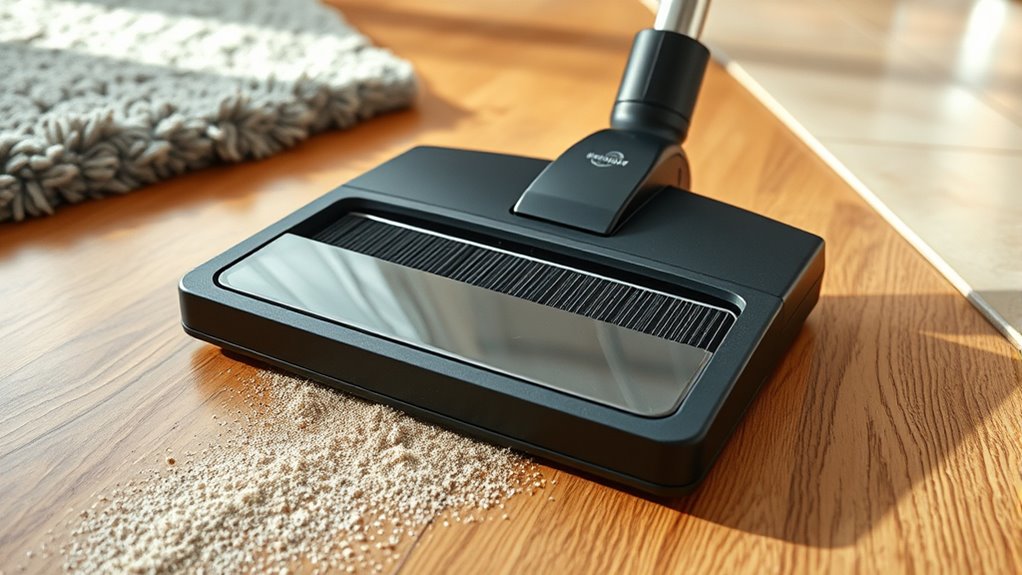
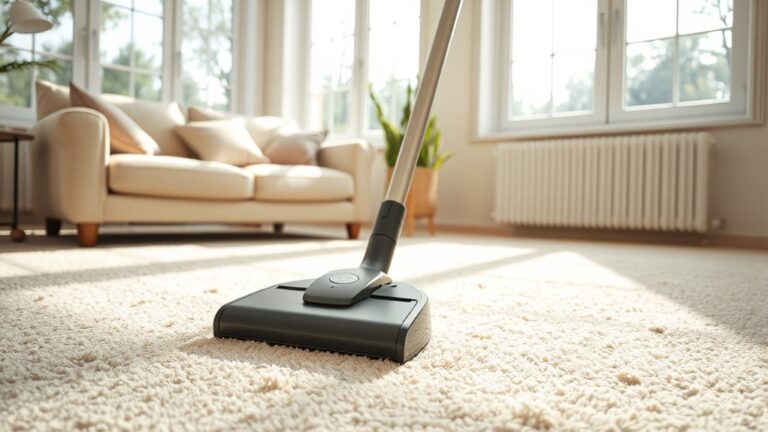
Although vacuuming frequency varies by floor type, you should vacuum carpets and rugs 2-4 times a week in high-traffic areas to keep dirt from embedding and maintain their look. This vacuuming schedule helps prevent wear and keeps your floors fresh.
For hard floors like hardwood floors, aim to vacuum once or twice weekly. Increase this to every other day if you have busy areas with pets or heavy use.
Area rugs on hard floors need vacuuming at least twice weekly in high-traffic zones to remove surface dirt and debris effectively. Tile and laminate floors should also be vacuumed weekly, with extra attention in kitchens and dining zones where crumbs and dust accumulate quickly.
Always use a vacuum’s soft roller or hard-floor setting to protect delicate surfaces from scratches. By adjusting your vacuuming routine according to your floor types and traffic levels, you’ll keep your entire home cleaner and extend the life of your floors.
How Pets and Family Size Change How Often You Vacuum
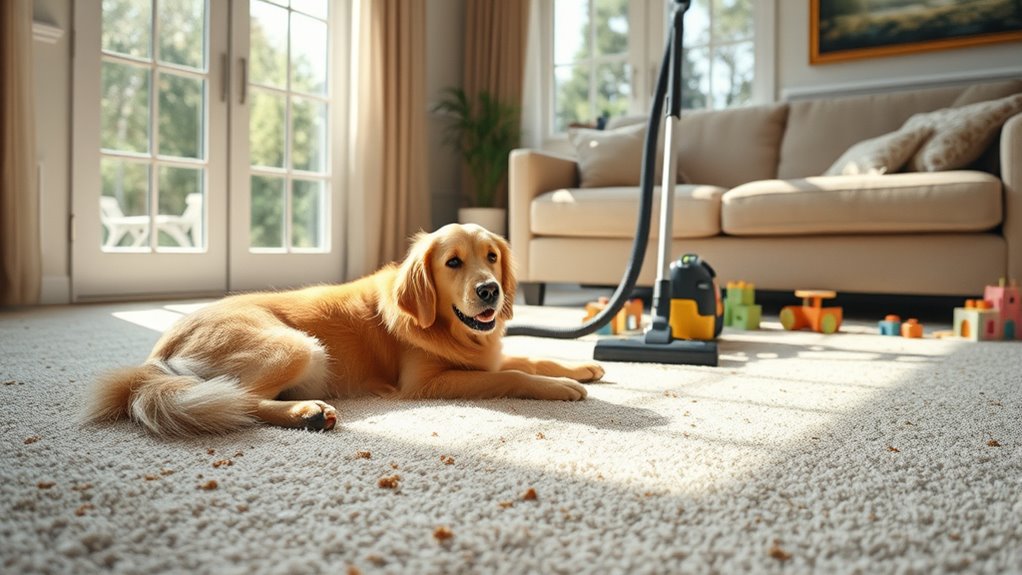
When you have pets, you’ll need to vacuum daily or every other day in their favorite spots to keep fur and dander under control. Pet hair and shedding can quickly accumulate, which can impact indoor air quality if not managed.
Your family size also plays a big role in how often you should vacuum. Larger households generate more debris and need more frequent cleaning to keep things fresh.
Consider these tips to adjust your vacuuming routine: vacuum pet areas more often during shedding seasons to reduce fur buildup. For larger families, aim for vacuuming 2-3 times weekly to manage the extra dirt and debris.
Smaller households or singles can usually get by with cleaning once or twice a week, depending on how active everyone is. Regular vacuuming helps improve indoor air quality by minimizing allergens from pets and family traffic.
Adjusting your vacuuming frequency based on pets and family size makes your home cleaner and healthier. It’s definitely worth the effort!
Signs You’re Not Vacuuming Enough: And How to Fix It
If you notice dust, dirt, or pet hair building up on your floors and furniture, it’s a clear sign you’re not vacuuming often enough. Debris and dust trapped in your carpet can cause fibers to wear down and mat, accelerating damage.
High-traffic areas with persistent pet hair or dirt also reveal that your vacuuming routine needs an upgrade. You might also detect a musty odor lingering in rooms, caused by dirt and mold spores left unchecked.
These signs mean allergens are accumulating, which can impact your home’s air quality. To fix this, increase your vacuuming frequency, focusing on carpets and high-traffic spots.
Use a vacuum designed to tackle pet hair and allergens effectively. Regular vacuuming not only removes visible debris but also reduces dust and odors, keeping your home cleaner and fresher.
Adjust your routine as needed to maintain a healthy, clean environment. It’s all about staying on top of things to keep your space comfortable and inviting.
Adjusting Vacuuming for Allergies and Asthma
If you have allergies or asthma, vacuuming daily can really help reduce airborne irritants like pet dander and dust mites. It’s a simple step that makes a big difference.
Using a vacuum with a HEPA filter is even better because it traps the smallest particles. This improves your indoor air quality and makes breathing easier.
Try to focus on high-traffic areas and spots where pets like to hang out. Keeping these places clean helps keep allergens under control and your home feeling fresh.
Daily Vacuuming Benefits
Because airborne allergens like pollen, pet dander, and dust mites can trigger allergy and asthma symptoms, you’ll benefit greatly from daily vacuuming. This routine helps maintain better air quality and reduces allergen buildup, especially in high-traffic areas.
By committing to daily vacuuming, you support your respiratory health and enjoy lasting health benefits.
Here’s why daily vacuuming is essential:
- Minimizes allergens on carpets, upholstery, and bedding
- Reduces reliance on chemical cleaners that can irritate airways
- Enhances air quality by removing tiny particles before they circulate
- Supports regular cleaning habits that prevent allergen accumulation
Using a vacuum with a HEPA filter during daily vacuuming maximizes allergen capture. This way, your home stays cleaner and healthier every day.
HEPA Filter Importance
When you choose a vacuum equipped with a HEPA filter, you markedly improve your home’s air quality by capturing 99.97% of tiny airborne particles that can trigger allergies and asthma. HEPA filters excel in allergen removal, reducing dust mites, pollen, and pet dander that harm respiratory health.
For allergy prevention, regular filter maintenance is vital; dirty filters release trapped allergens back into the air. Below is a quick guide to how HEPA filters support your home’s environment:
| Benefit | Target Allergens | Maintenance Tip |
|---|---|---|
| Allergy Prevention | Dust mites, pollen | Replace or clean monthly |
| Air Quality | Pet dander, mold | Check filter integrity |
| Respiratory Health | Airborne particles | Use certified HEPA vacuums |
Using HEPA-filter vacuums consistently helps maintain a healthier, allergy-safe home. It’s a simple step that makes a big difference!
How Allergies and Seasons Affect Vacuuming Needs
Although allergies can make daily life challenging, adjusting your vacuuming routine can considerably reduce airborne allergens and improve your comfort. You’ll want to increase your vacuuming frequency during certain seasons, especially when pollen counts rise or humidity encourages dust mites and mold growth.
Using HEPA-filter vacuums helps trap tiny allergen particles, enhancing indoor air quality markedly.
Keep these tips in mind to manage allergies effectively:
- Vacuum daily during pollen seasons to remove settled pollen and airborne allergens.
- Increase cleaning in pet or high-traffic areas to combat pet dander and dust.
- Use HEPA-filter vacuums to capture fine allergen particles that standard vacuums miss.
- Adjust vacuuming frequency in humid conditions to minimize dust mites and mold buildup.
Best Vacuum Types for Different Floors and Needs
Choosing the right vacuum depends on your floor type and cleaning needs. Upright models excel on carpets, while canisters work best on hardwood and tile.
For quick touch-ups or hard-to-reach spots, stick, handheld, or robot vacuums can make your routine easier. They’re super handy when you need a fast clean without much hassle.
Vacuum Types Overview
Five main types of vacuums cover nearly every cleaning need, each designed to tackle specific floor types and tasks. Understanding these vacuum types helps you build an effective cleaning routine that suits your home.
- Upright vacuums offer powerful suction and wide paths, ideal for carpeted areas.
- Canister vacuums provide versatility with attachments, perfect for hardwood, tile, and mixed floors.
- Stick vacuums are lightweight and cordless, great for quick daily cleanups and tight spaces.
- Handheld vacuums excel at spot cleaning upholstery and stairs, adding portability and convenience.
Robot vacuums complement these by handling regular maintenance in high-traffic zones. They often feature smart mapping and self-emptying, making life easier.
Choosing the right vacuum type really streamlines your cleaning routine and keeps your floors looking great.
Flooring-Specific Vacuum Choices
Different floors and cleaning needs call for specific vacuum types to get the best results. For hardwood floors, a canister vacuum with gentle cleaning tools prevents scratches while ensuring effective debris removal.
Upright vacuums work best for carpet cleaning, delivering powerful suction to tackle deep dirt. If you have high-traffic zones, consider robot vacuums to maintain cleanliness daily without extra effort.
Stick vacuums offer quick cleanups, perfect for routine vacuum frequency in smaller spaces. Handheld vacuums excel at spot cleaning and stairs, complementing your flooring-specific vacuum setup.
Choosing the right vacuum helps you maintain your floors effectively, prolonging their life and saving time. Tailoring vacuum choices to your flooring and needs optimizes cleaning and simplifies regular maintenance.
Vacuuming Tips for Faster, Better Cleaning
When you declutter your space before vacuuming, you’ll clean more efficiently and avoid missing debris. To speed up your routine and achieve better results, follow these essential vacuuming tips.
Start by selecting the right attachments to tackle tight spots and upholstery for thorough debris removal. Adjust your vacuum’s height setting to match the floor type to protect surfaces and boost dirt pickup.
Adopting a systematic pattern—like vacuuming from the farthest corner toward the exit—helps you cover every inch without overlaps or missed areas. Don’t forget regular maintenance: clean filters and empty the dustbin frequently to keep suction power high and your cleaning efficient.
- Use attachments for hard-to-reach areas
- Match vacuum height to floor type
- Follow a systematic pattern for coverage
- Perform regular maintenance for peak performance
Implementing these strategies guarantees faster, better cleaning every time you vacuum. Give them a try—you’ll notice the difference!
Using Robot Vacuums to Keep Your Home Clean Daily
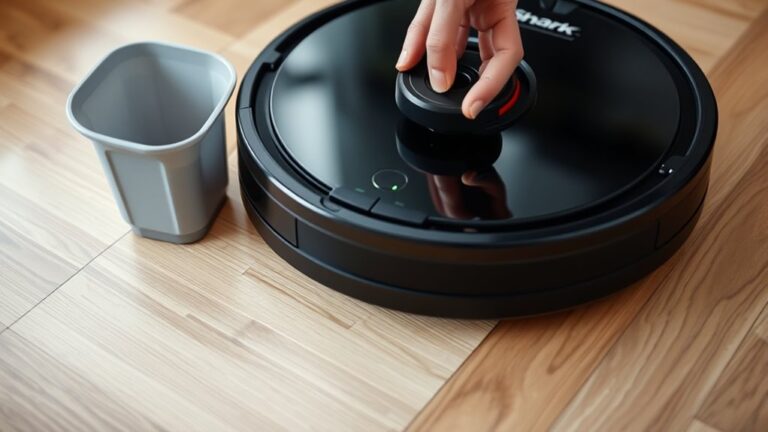
You can set your robot vacuum to clean daily using its scheduling feature, keeping high-traffic areas fresh without lifting a finger. Just remember to empty the dustbin and clean the filters regularly to maintain peak performance.
These simple steps help your robot vacuum run smoothly and keep your home spotless every day. It’s super easy, and you’ll hardly have to think about cleaning at all!
Robot Vacuum Scheduling
Although robot vacuums are designed to work independently, scheduling them to run daily in high-traffic areas like living rooms and kitchens keeps your home consistently clean. Setting a routine guarantees daily cleaning tackles dust, pet hair, and allergens before they accumulate.
To optimize your robot vacuum’s performance, consider these scheduling tips:
- Use smart mapping to focus on high-traffic areas.
- Adjust frequency based on household activity and flooring type.
- Schedule runs during off-peak hours to avoid disruptions.
- Combine daily vacuuming with occasional manual checks for thorough home hygiene.
Maintenance Tips
Since robot vacuums run daily to keep your home clean, maintaining them regularly guarantees they perform at their best. Prioritize vacuum maintenance by emptying the dustbin often to prevent clogging and sustain suction power.
Clean the brushes weekly to remove hair and debris that can hinder performance. Don’t forget filter cleaning—HEPA filters need attention to keep air quality high and ensure efficient operation.
Models with self-emptying bases reduce your workload but still require periodic checks. Also, adjust the cleaning schedule based on your household’s activity; increase frequency during shedding seasons or allergy spikes.
With regular cleaning and timely schedule adjustment, your robot vacuum will efficiently keep your home spotless every day without losing power or effectiveness.
When Should You Vacuum High- vs. Low-Traffic Areas?
When certain areas of your home see more foot traffic, they demand more frequent vacuuming to stay clean and protect your floors. High-traffic areas require a higher vacuuming frequency to prevent dirt buildup and wear.
Areas with heavy foot traffic need more frequent vacuuming to maintain cleanliness and protect flooring.
In contrast, low-traffic areas can handle less frequent cleaning, fitting into a balanced cleaning schedule.
Consider these tips for managing vacuuming frequency:
- Vacuum high-traffic areas daily or every other day to maintain cleanliness and protect flooring.
- In homes with pets or allergies, vacuum high-traffic zones multiple times a day to control fur and allergens.
- Low-traffic areas, like guest rooms, only need vacuuming once a week or when you notice dust.
- For seldom-used spaces, vacuum every 1-2 weeks unless dirt visibly accumulates.
How Regular Vacuuming Protects Floors and Improves Air Quality
Regular vacuuming plays a crucial role in protecting your floors and improving the air you breathe inside your home. By vacuuming regularly, you remove dust, pollen, and tiny particles that can harm air quality and trigger allergies.
This consistent maintenance prevents abrasive dirt buildup that scratches and dulls your floors, keeping them looking fresh longer. Vacuuming also reduces allergens trapped in carpets and upholstery, which helps improve respiratory health for everyone in your household.
Plus, a regular vacuuming routine minimizes odors caused by pet dander and accumulated dirt, making your space more pleasant. Proper maintenance through vacuuming extends the lifespan of your floors by stopping soil and debris from causing surface damage over time.
Frequently Asked Questions
What Is the Recommended Frequency of Vacuuming?
You should vacuum carpets 2–4 times weekly, hardwood floors once or twice a week, and daily in pet areas or high-traffic zones.
Adjust based on your home’s activity to keep floors clean and allergens low.
It’s all about staying on top of it so your space feels fresh and comfortable.
Why Put Cinnamon in a Vacuum?
Like a secret weapon, cinnamon freshens your vacuum by neutralizing odors and reducing bacteria. You’ll enjoy a pleasant, cozy scent after cleaning.
But don’t overdo it! Too much cinnamon can clog your vacuum’s filters or parts, and that’s the last thing you want.
Is It Healthy to Vacuum Every Day?
Yes, you can vacuum every day without harming your floors or vacuum if you use proper settings.
Daily vacuuming helps reduce allergens and dust, especially if you have pets or asthma.
This keeps your home healthier and cleaner. It’s a simple way to stay on top of dirt and keep things fresh!
How Often Is It Recommended to Vacuum?
Don’t let dirt pile up like a mountain—vacuum high-traffic areas 2-4 times weekly, carpets 2-3 times, and hardwood floors once or twice.
Adjust based on pets or allergies to keep your home fresh and healthy. It really makes a difference!
Conclusion
You might think vacuuming daily is overkill, but the truth is, how often you vacuum depends on your home’s unique needs. Factors like flooring type, pets, allergies, and traffic levels all play a role.
By paying attention to these, you can find the perfect routine that keeps your space fresh without wasting time. So, don’t just guess—adjust your vacuuming schedule smartly and see the difference it makes in your air quality and floor care!
Finding the right vacuuming frequency really helps improve air quality and maintain your floors. Whether you have carpets or hardwood, pets shedding hair, or allergy concerns, tailoring your vacuuming routine is key. A consistent schedule not only keeps dust and allergens at bay but also prolongs the life of your flooring. Remember, the best vacuuming frequency is one that fits your lifestyle and home environment, making cleaning less of a chore and more of a habit.




One Comment