What Does a Vacuum Check Valve Do in Vehicles?
A vacuum check valve lets vacuum flow one way, keeping your engine and brake systems running smoothly. It’s a small but crucial part that stops air from flowing backward, which helps maintain the steady vacuum pressure your vehicle needs.
This steady pressure is especially important for components like the brake booster and the EGR valve.
When your engine’s vacuum rises, the valve opens to let it through. But if the pressure drops, the valve quickly closes to block air from coming back in. This backflow prevention is key to protecting your engine’s performance and safety.
Basically, the vacuum check valve makes sure your vehicle operates reliably and efficiently. Understanding how it works can really show why it’s such an essential part of your car’s system.
It’s one of those small components that plays a big role in keeping everything running smoothly.
Key Takeaways
- A vacuum check valve allows vacuum flow in one direction while preventing backflow into the vacuum system. It keeps things moving the right way without letting anything sneak back in.
- It maintains steady vacuum pressure for components like the brake booster and EGR valve. This steady pressure is pretty important for these parts to work smoothly.
- The valve uses a spring-loaded mechanism to open only when engine vacuum exceeds atmospheric pressure. So, it only lets air through when the conditions are just right.
- It closes tightly to stop air entry and preserve vacuum during engine shutdown or pressure drops. This way, the system doesn’t lose vacuum when the engine isn’t running.
- This valve protects engine and brake performance by preventing vacuum loss and ensuring system efficiency. In short, it helps everything run better and safer.
What a Vacuum Check Valve Does and Why It’s Important
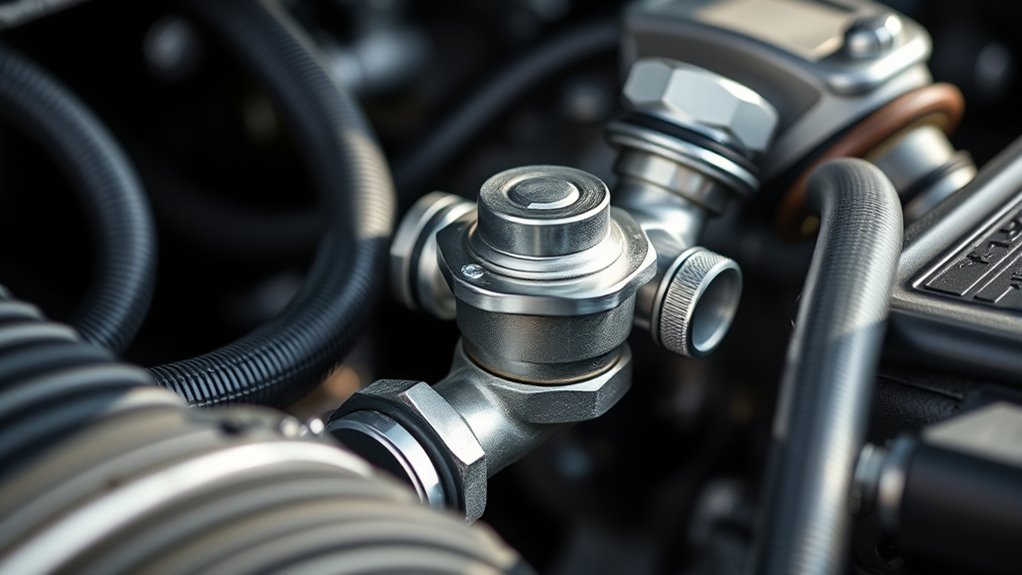
Although you might not notice it, the vacuum check valve plays an essential role in your vehicle by allowing vacuum to flow in only one direction. This one-way valve prevents backflow, ensuring the vacuum line maintains consistent pressure key for systems like the brake booster or EGR valve.
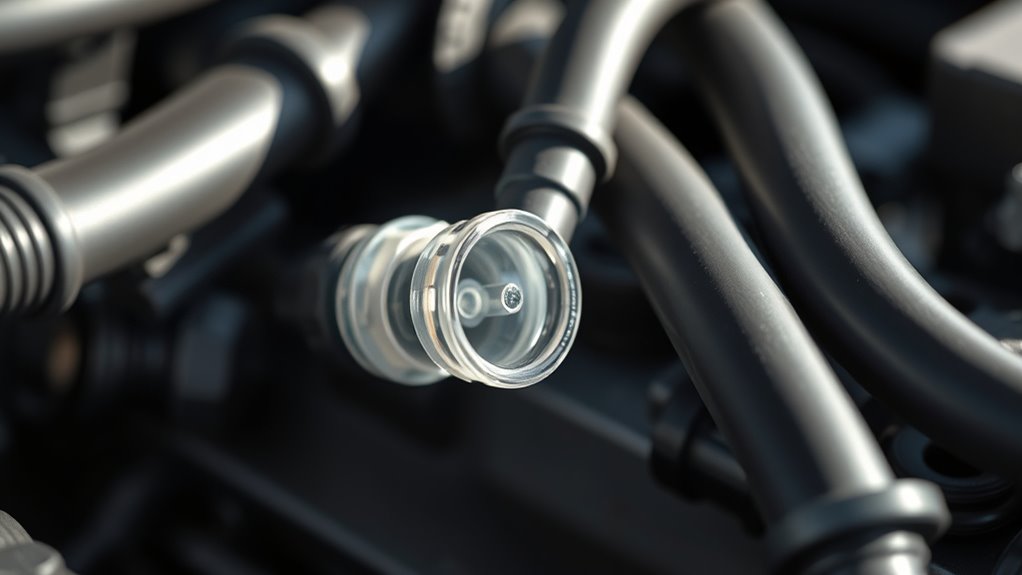
Inside, spring-loaded check valves respond to pressure changes: they open when the vacuum source creates enough suction and close tightly against the valve seat to block any reverse flow. This valve design is fundamental because it stops air or gases from re-entering the vacuum line, which could cause pressure loss and disrupt system performance.
By maintaining steady vacuum flow in one direction, the vacuum check valve preserves the integrity of your vehicle’s vacuum-dependent components. Without it, vacuum signals could leak or reverse, leading to erratic operation or failure of critical engine and braking functions.
How Vacuum Check Valves Work to Protect Engine and Brake Performance
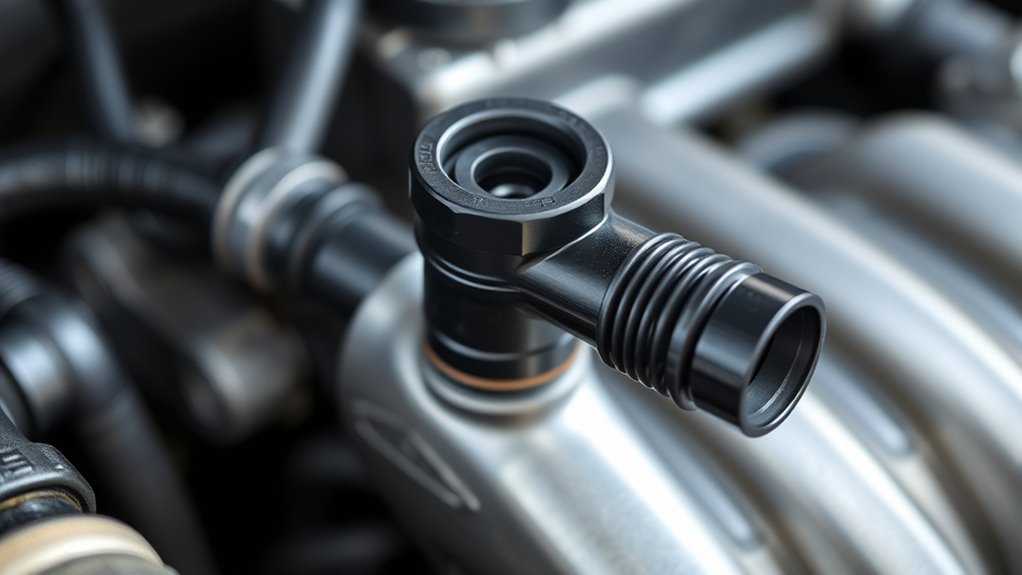
When your engine generates vacuum pressure, the vacuum check valve lets that pressure flow to essential parts like the brake booster and vacuum sensors while stopping any backflow that could reduce system efficiency.
This one-way valve opens only when the vacuum pressure from the engine exceeds atmospheric pressure, ensuring a steady supply to maintain proper engine timing and reliable brake assist.
The valve opens only when engine vacuum surpasses atmospheric pressure, ensuring consistent timing and brake support.
If the engine vacuum drops or the system shuts off, the valve closes to prevent air from entering the vacuum lines, preserving vacuum pressure for the next use.
By preventing backflow and blocking reverse flow, the vacuum check valve protects your engine and brake systems from vacuum loss caused by leaks or pressure fluctuations.
This protection is critical during engine startup and shutdown, when vacuum levels can vary.
Frequently Asked Questions
What Happens When a Vacuum Check Valve Goes Bad?
When a vacuum check valve goes bad, you’ll experience vacuum leaks causing rough idle, weak brake booster performance, erratic engine timing, and increased fuel consumption.
You’ll notice poor throttle response and inconsistent operation of vacuum-driven components too.
It’s annoying because your engine won’t run as smoothly as it should. Plus, things that rely on vacuum pressure just won’t work right.
Can I Drive if I Have a Vacuum Leak?
You can drive short distances, but beware—your engine might stumble, brakes could feel heavy, and fuel efficiency drops.
Ignoring it risks serious damage, so fix that vacuum leak before your ride turns into a nightmare.
Better safe than sorry, right? Getting it checked out soon will save you a lot of trouble down the road.
What Happens if a Check Valve Goes Bad?
If your check valve goes bad, you’ll notice vacuum leaks causing poor engine performance, hissing noises, and malfunctioning components like brakes or HVAC.
You shouldn’t ignore it because it can lead to bigger, costly repairs down the road.
What Is the Purpose of a Vacuum Check Valve?
Think of a vacuum check valve as your vehicle’s heartbeat, keeping vacuum flowing one way to prevent backflow. You’ll guarantee consistent pressure, protect components, and maintain smooth engine timing without unexpected hiccups.
It’s like having a reliable gatekeeper in your engine’s system. Without it, things could get messy with pressure fluctuations and potential damage. So, it plays a big role in keeping everything running just right.
Conclusion
A vacuum check valve in your vehicle acts like a one-way gatekeeper, making sure air flows in only one direction. Without it, your engine and brake system could lose essential vacuum pressure, leading to poor performance or even safety issues.
By keeping everything running smoothly, it helps your car breathe properly and stop reliably. Think of it as a trusted guardian, preventing backflow and keeping your ride safe and efficient every time you drive.
In short, a vacuum check valve is crucial for maintaining the right vacuum pressure in your vehicle’s engine and brake systems. It ensures consistent performance and safety by preventing air from flowing backward. So, if you want your car to run smoothly and your brakes to respond quickly, this small but mighty part plays a big role in your vehicle’s overall health and reliability.