How Does a Wet Vacuum Work?
A wet vacuum works by creating suction through a motor-driven fan that generates airflow and a low-pressure zone inside the tank and hose. This pressure difference lets outside air push liquids and debris into the vacuum. It’s a clever way to handle both wet and dry messes quickly and efficiently.
Key parts like separators and foam baffles keep liquids from damaging the motor. At the same time, seals and filters maintain steady airflow for strong suction. These components work together to make sure the wet vacuum performs safely and effectively.
Understanding how these elements function helps you appreciate why wet vacuums are great for tough cleaning tasks around your home or workshop.
Key Takeaways
- A motor-driven fan creates airflow, generating a low-pressure zone that produces suction inside the wet vacuum tank and hose. This suction is what allows the vacuum to pick up debris and liquids.
- Atmospheric pressure then pushes debris and liquids into the vacuum because of the pressure difference between the outside air and the vacuum’s interior.
- The strength of the suction depends on airflow velocity and static lift. It’s not just about the motor’s wattage or power rating.
- Inside the vacuum, separators and foam baffles keep liquids and foam from reaching the motor and fan. This helps protect these parts while the vacuum is running.
- Filters, seals, and the way the airflow path is designed all work together to maintain suction efficiency. They also prevent turbulence and help extend the motor’s lifespan, making vacuuming safer and more effective.
How Wet Vacuums Create Suction Using Pressure and Airflow
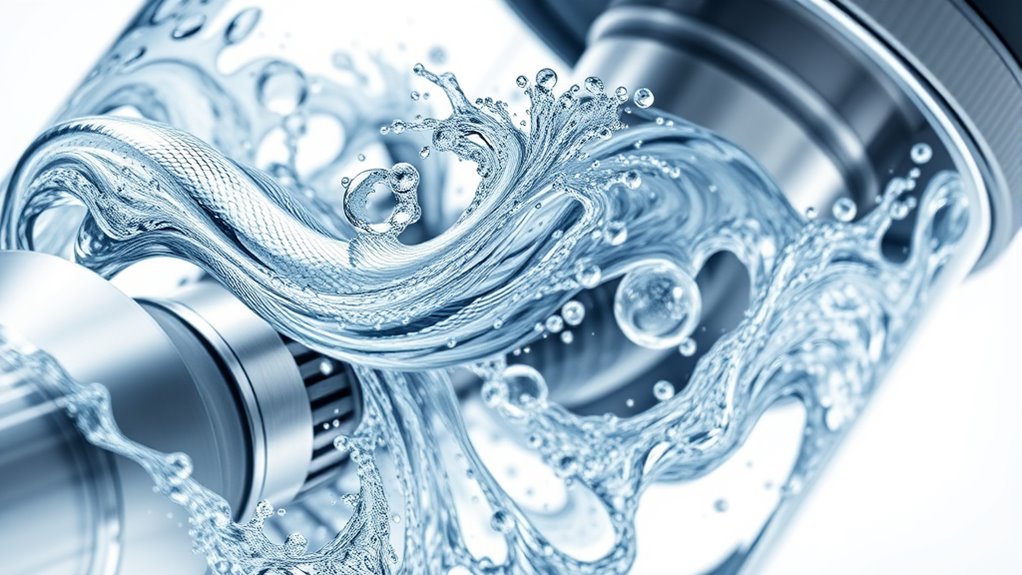
Although you might focus on motor power when choosing a wet vacuum, its suction actually comes from creating a low-pressure zone inside the tank and hose. The motor drives a fan that generates airflow, producing a pressure differential between the vacuum’s inlet and outlet.
This pressure differential forms the low-pressure zone that causes higher outside air pressure to push air, liquids, and debris into the vacuum. Suction strength depends less on motor wattage and more on factors like airflow velocity and static lift, which determine how effectively the vacuum can lift liquids and debris.
The pressure inside the vacuum is typically less than 0.5 meters of water head, meaning the vacuum relies on atmospheric pressure to maintain suction. Understanding how pressure and airflow work together helps you appreciate that the vacuum’s ability to pick up messes isn’t just about a powerful motor—it’s about creating and sustaining the right low-pressure zone for effective suction.
Key Internal Components That Ensure Wet Vacuum Safety and Performance
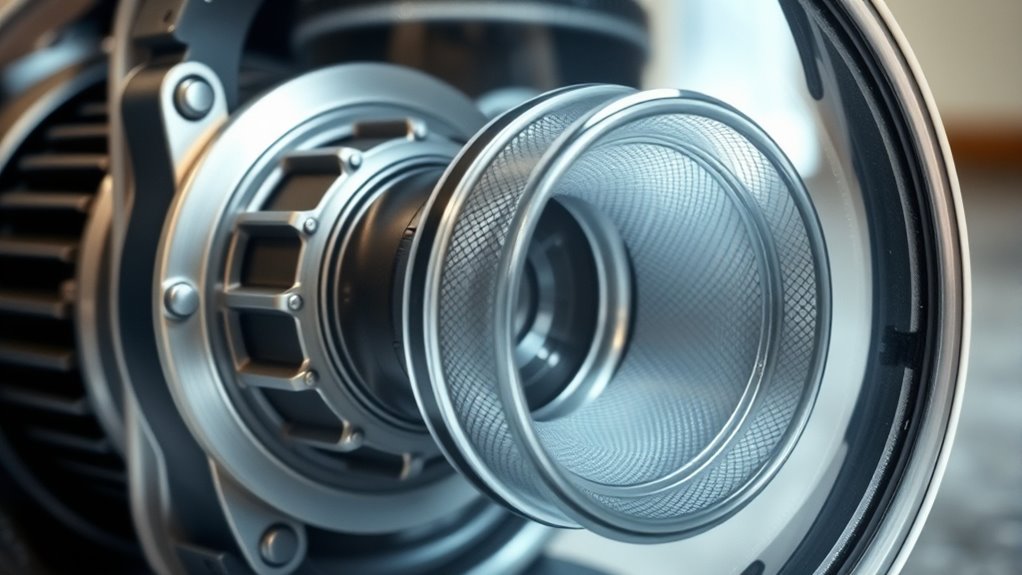
Because a wet vacuum handles both liquids and debris, its internal components must work together to protect the motor and maintain strong suction. The separator or anti-foam baffle plays a vital role by preventing liquid and foam from reaching the fan. This guarantees motor protection and consistent performance.
Filters and foam screens shield the motor and fan from mist, fine dust, and debris, preserving their function. The recovery airflow path must stay clear of hair and lint to maintain suction efficiency.
You’ll also appreciate the significance of a well-designed tank and squeegee seal. They create a low-pressure zone, which is essential for effective suction without turbulence or splash.
Key components that keep your wet vacuum safe and efficient include:
- A separator or anti-foam baffle that blocks liquids and foam
- Filters and foam screens for motor and fan protection
- A smart recovery airflow path and tank design to sustain suction and performance
Frequently Asked Questions
How Does the Wet Vacuum Cleaner Work?
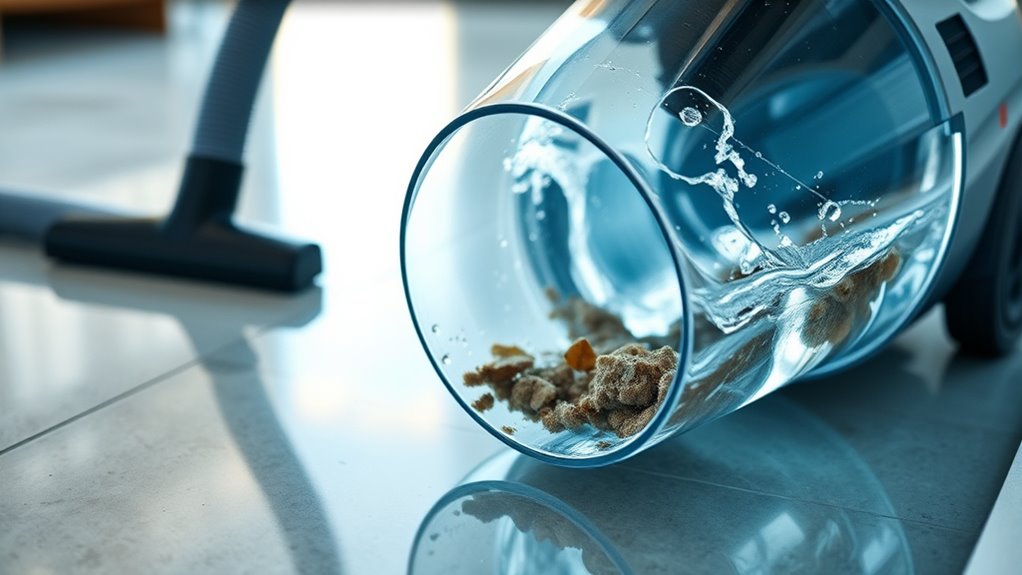
You turn on the wet vacuum, and it creates suction that pulls water, dirt, and debris into a separate tank. It sprays cleaning solution, then vacuums it up.
The filters protect the motor while you clean efficiently. It’s pretty handy for tackling messes without much hassle.
Is It Worth Getting a Wet Vacuum?
Yes, it’s worth getting a wet vacuum if you want versatile, efficient cleaning for both liquids and debris.
You’ll save time, reduce tools, and keep surfaces dry, preventing slips and mold in active homes or workplaces.
It just makes cleaning a whole lot easier, doesn’t it?
Do You Keep the Filter in When Using a Wet Vac?
Picture soggy debris swirling inside your vac—don’t keep the dry filter in, or it’ll clog and suffocate airflow.
Check your manual; some models let foam filters stay wet, but usually, you remove or wash them first.
It’s all about keeping your vac running smoothly without any blockages. Just a quick check before you start can save you a lot of hassle!
How to Properly Use a Wet Vacuum?
You fill the tank with cleaning solution, choose the right mode, and vacuum slowly. Keep tanks seated properly, avoid overfilling, and empty the dirty water tank regularly.
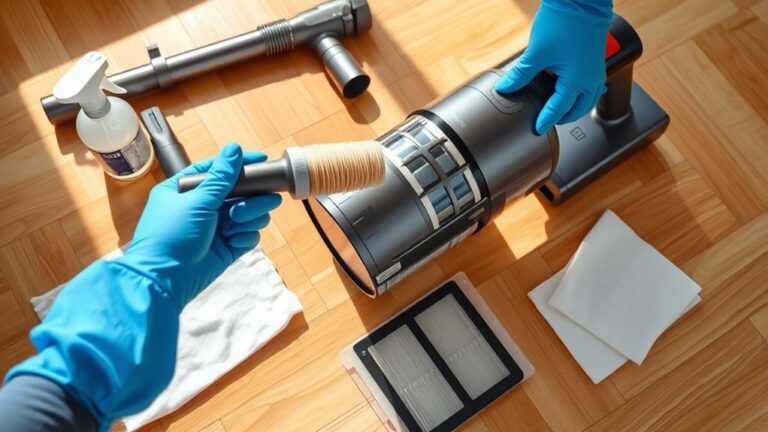
Make sure to clean filters and brushes often to keep your wet vacuum working at its best. It really helps maintain performance and extends the life of your machine.
Conclusion
Now that you understand how a wet vacuum uses pressure and airflow to create suction, you can see it’s like a powerful storm pulling in everything in its path. Its key components work together to keep it safe and efficient.
This means you can trust it to handle both wet and dry messes without any trouble.
With this knowledge, you’ll feel confident using your wet vacuum to tackle any cleanup challenge quickly and effectively. Whether it’s a spill or a stubborn stain, your wet vacuum makes the job easier and faster.
Knowing how a wet vacuum works helps you get the most out of it, ensuring your home stays clean and dry. So go ahead, put your wet vacuum to work and enjoy hassle-free cleaning every time!