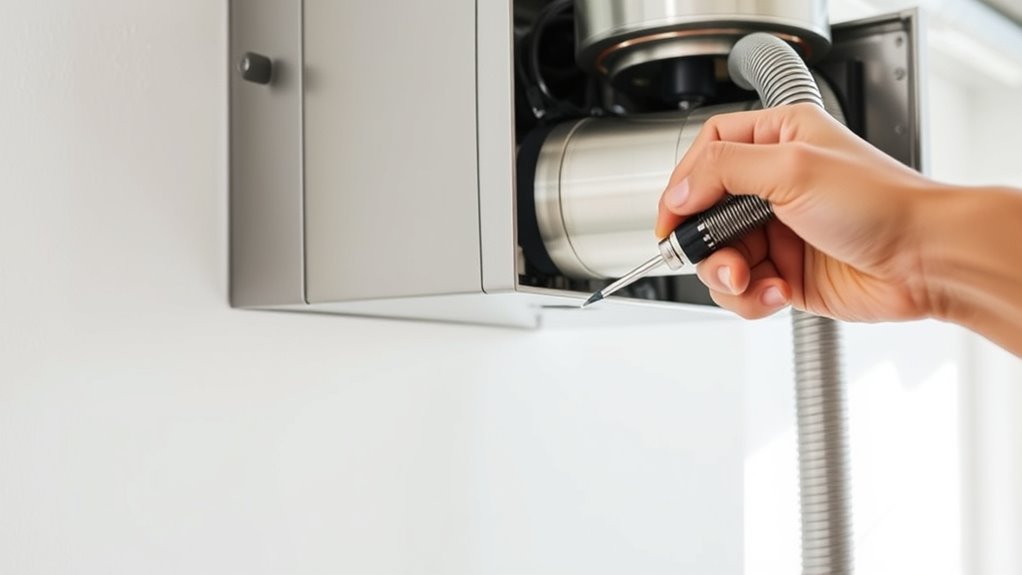
Fix Your Central Vacuum System in 3 Easy Steps
To fix your central vacuum system in three easy steps, start by checking the power supply. Make sure the unit is plugged in properly, the breaker hasn’t tripped, and if there’s a reset button, give it a press. These simple checks can often solve common power issues quickly.
Next, clear any blockages you might find. Take a look at the hoses for cracks or holes, and don’t forget to clean or replace the filters. Emptying the canister regularly also helps keep your vacuum running smoothly.
Finally, diagnose possible motor problems. Unplug the system first, then listen carefully for any strange noises when you turn it back on. Pay attention to burning smells, which can be a sign of motor trouble. Keep reading for more detailed fixes that will help your central vacuum system work like new again!
Key Takeaways
- Check the power supply, plugs, and switches. Reset the system to make sure your vacuum has a proper electrical connection.
- Next, inspect the hoses and inlet valves for blockages. You can test suction and clear debris using a plumber’s snake or a cloth.
- Don’t forget to clean or replace the filters. Also, empty the canister to restore the best airflow and suction strength.
- If you hear unusual motor noises or smell something burning, unplug the system right away. Take a close look at the motor area for any damage.
- Always unplug your vacuum before doing any maintenance. And if motor or electrical issues keep popping up, it’s best to call a professional for help.
Troubleshoot Central Vacuum Power Problems
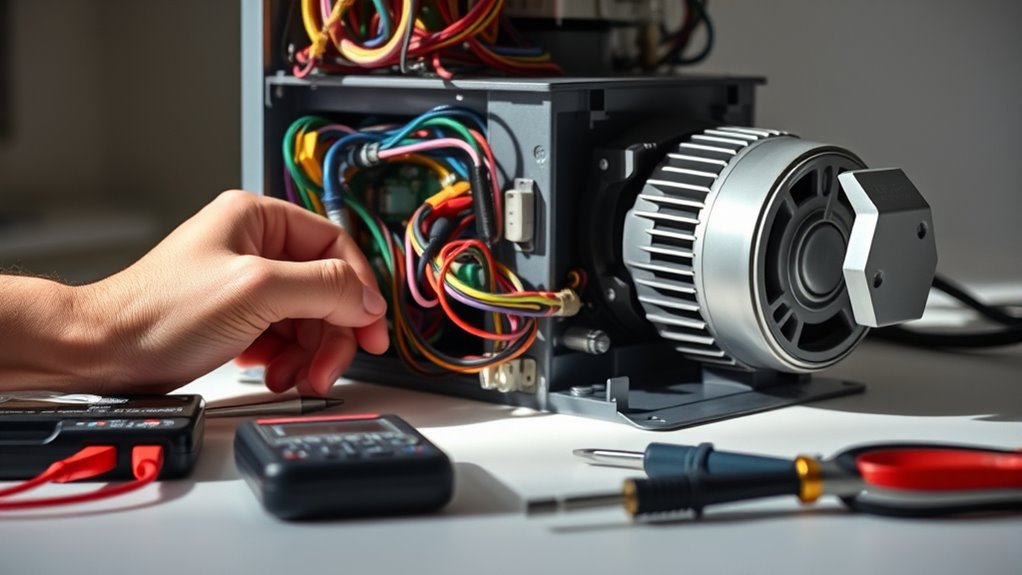
Before diving into complex repairs, make certain your central vacuum system is properly plugged in and the circuit breaker hasn’t tripped. If your vacuum won’t start, check the manual switch on the main unit; if it powers on there, the issue likely lies with the low-voltage wires or hose inlet connections.
Inspect these wires closely for any loose, corroded, or worn spots that might prevent the motor from activating. Also, test the power cord and outlet using a voltage tester or another device to rule out basic electrical problems.
If everything seems fine but the vacuum still won’t turn on, examine the circuit board and relays inside the power unit for faults—you may need to replace damaged components. Some models include a reset button; press it to see if that restores function.
Addressing these power issues first ensures you’re not overlooking simple fixes before moving on to suction loss or hose blockages.
Fix Central Vacuum Suction Loss: Clear Blockages and Inspect Hoses and Filters
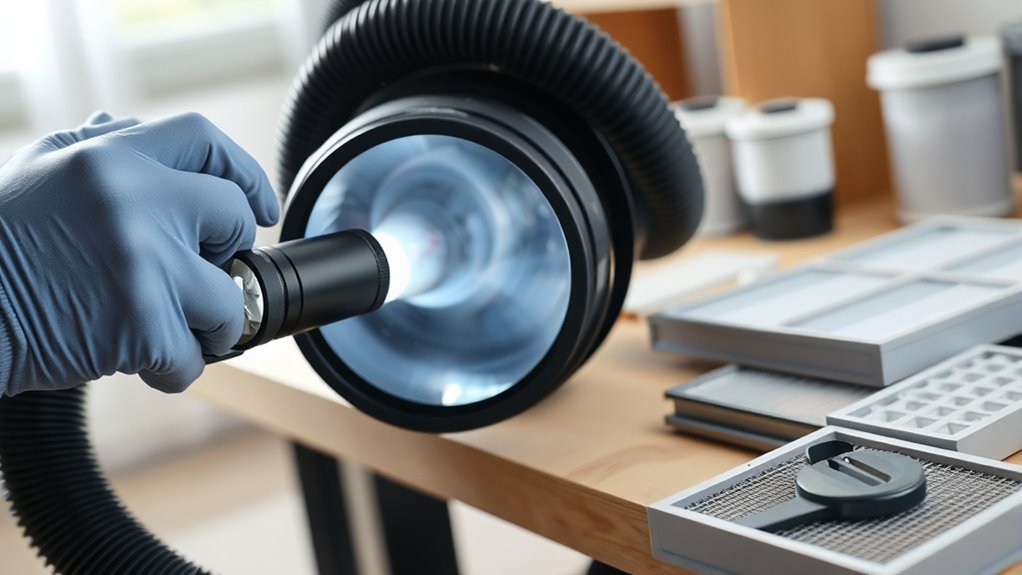
When your central vacuum loses suction, start by inspecting the hose for cracks or blockages—you can drop a coin through it to quickly spot any obstructions. Next, check for hose blockages and pipe obstructions by testing suction at each vacuum inlet valve individually, making sure only one inlet is open at a time.
Use a plumber’s snake or a maintenance cloth to clear debris from the hoses, inlet valves, and piping sections. Don’t forget to inspect hoses for air leaks that can reduce airflow and cause loss of suction.
Clear debris with a plumber’s snake and check hoses for air leaks to maintain strong suction.
Remove, clean, or replace the filters and empty the canister, since clogged filters often restrict airflow and weaken suction. To confirm clear airflow, you can drop a lightweight ball or a paper towel through the pipes to detect any hidden blockages.
Regularly cleaning hoses and inspecting filters keeps your central vacuum system running efficiently and prevents common suction problems. It’s a simple routine that really pays off!
Diagnose Central Vacuum Motor Issues and Strange Noises Safely
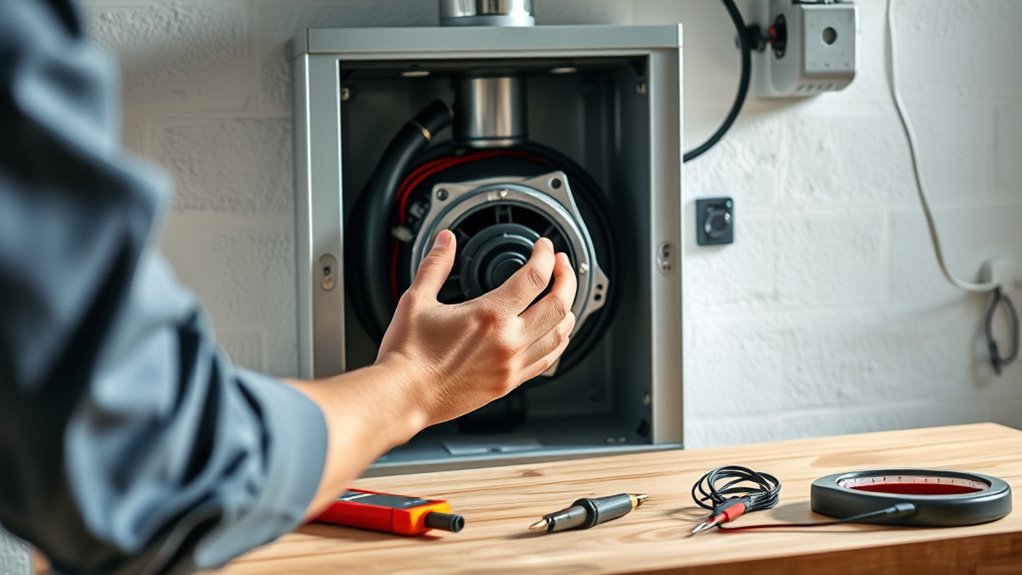
If your central vacuum motor starts making strange noises or emits unusual smells, you need to diagnose the problem carefully and safely. First, always turn off and unplug the system to avoid electrical shocks.
Listen closely for unusual sounds like grinding, squealing, or rattling. These often point to motor bearing failure or worn brushes.
Next, check for a burning smell or smoke coming from the motor compartment. These are signs of overheating or electrical issues.
Use a flashlight for a thorough visual inspection inside the motor compartment. Look for debris, obstructions, or burnt components.
Avoid touching any parts until you’re sure the system is completely powered off. If the motor noises persist or the burning smell remains, it indicates serious internal damage.
In such cases, you should seek professional repair to prevent further harm or costly replacements. Diagnosing these issues promptly protects your vacuum and guarantees safe operation.
Frequently Asked Questions
How Do I Reset My Central Vacuum?
You reset your central vacuum by unplugging it first. Then, find the small reset button on the power unit.
Press and hold the reset button until you hear a click. After that, plug it back in.
Finally, turn it on to test if it’s working properly. Easy, right?
What Is the Life Expectancy of a Central Vacuum System?
You can expect your central vacuum system to last around 15 to 20 years if you maintain it well. Regular care like filter changes and inspections helps you avoid early replacements and keeps things running smoothly.
It’s really not that hard to keep up with. Just a little attention here and there goes a long way in making sure your system stays in tip-top shape.
How Much Does It Cost to Repair a Central Vacuum System?
You’ll typically spend between $100 and $1,000 to repair your central vacuum system, depending on the issue.
Minor fixes usually cost under $200, which is pretty reasonable. On the other hand, motor replacements can range from $300 to $700, plus diagnostic fees.
How to Test if a Central Vacuum Is Working?
Imagine Sarah turning on her system and hearing no motor hum. To test yours, turn it on, check suction at one inlet with tissue, and make sure only that inlet’s open.
If suction’s strong, it’s working fine. If not, you might need to check for clogs or motor issues. Simple as that!
Conclusion
Fixing your central vacuum system doesn’t have to be a headache. By troubleshooting power problems, clearing blockages, and checking the motor, you’ll have it running like a well-oiled machine in no time.
Remember, a little patience and these simple steps can make your vacuum roar back to life, saving you from a dust storm disaster. Keep your system in check, and it’ll be your cleaning sidekick for years to come!
Regular maintenance and quick fixes can prevent bigger issues down the road. So, whenever your central vacuum system acts up, don’t stress—just follow these easy steps. With a bit of care, your vacuum will stay powerful and efficient, making your cleaning routine a breeze.