
Why Is My Vacuum Smoking and How Can I Fix It?
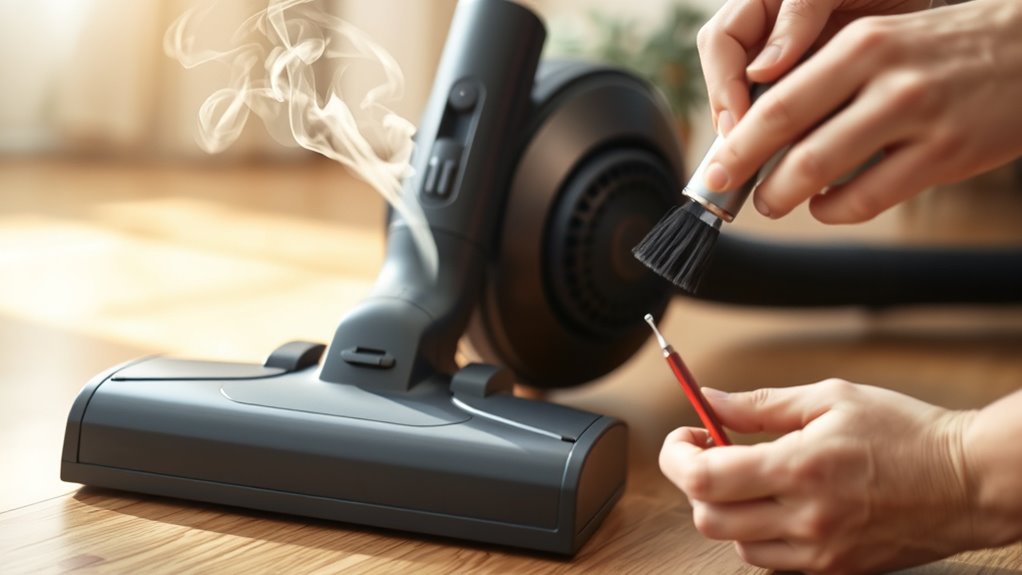
Your vacuum is smoking because its motor is overheating, which usually happens due to blocked airflow, clogged filters, or tangled debris around the brush roll. These issues restrict the vacuum’s ability to cool itself properly, leading to smoke.
Sometimes, worn belts or electrical faults can also cause the motor to overheat and emit smoke.
To fix it, first unplug the vacuum immediately to avoid any risk. Then, clear any blockages you find in the hoses or air pathways. Don’t forget to clean or replace the filters if they look dirty or clogged.
Next, check the brush roll and belts for any damage or tangles. Keeping these parts well-maintained really helps prevent overheating and smoking in the future.
If you want to know more about how to keep your vacuum running smoothly, there’s plenty more to explore!
Key Takeaways
- Vacuum smoking is often caused by motor overheating, which happens because of blocked airflow, debris buildup, or worn belts causing friction.
- If you see smoke or smell something burning, unplug the vacuum immediately. This helps prevent any electrical hazards.
- Take a look at the hoses and vents for blockages. Also, clean off any tangled debris from the brush roll to get that airflow moving again.
- When belts are worn or motor parts look damaged, replace them following the manufacturer’s guidelines. This step is key to stopping overheating and smoking.
- Don’t forget to regularly clean or replace your filters and vacuum bags. Keeping these in good shape helps maintain strong suction and reduces motor strain.
Why Is My Vacuum Smoking? Common Causes and Warning Signs
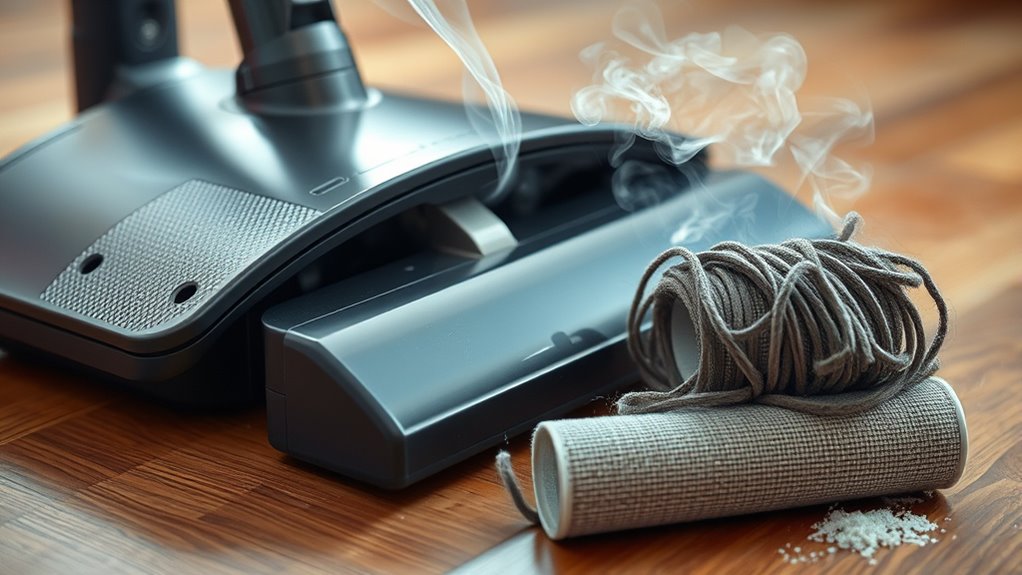
If your vacuum is smoking, it’s usually because the motor is overheating from blocked airflow or extended use. Restricted airflow caused by debris, a clogged filter, or blocked hoses forces the motor to work harder, which causes it to emit smoke.
You might notice a burning smell or see smoke coming from the vacuum, signaling motor overheating. A worn belt or debris tangled around the brush roll also increases friction, further stressing the motor.
These issues can make your vacuum lose suction and even trigger automatic shutdowns. Besides mechanical causes, electrical faults like damaged wiring can produce burning smells and smoke.
Pay attention to unusual noises or your vacuum shutting off unexpectedly, as these are warning signs that something’s wrong. Ignoring these symptoms can lead to further damage or safety hazards, so it’s essential to understand why your vacuum smokes before continuing use.
How to Fix and Maintain Your Vacuum to Stop Smoking
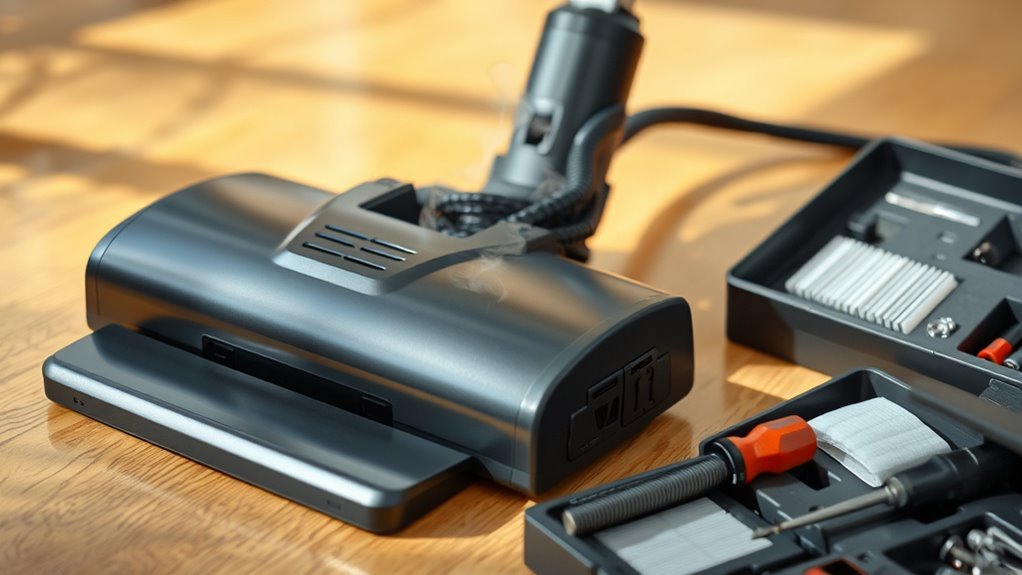
When your vacuum starts smoking, addressing the root causes quickly can prevent further damage and keep it running smoothly. First, unplug the vacuum immediately to avoid electrical hazards.
Then, clear blockages in hoses or vents to improve airflow and reduce strain on the motor. Cleaning the brush roll thoroughly is also important—remove hair and debris that cause friction and overheating.
Inspect and replace worn belts or damaged parts following the manufacturer’s instructions. Regularly clean or replace filters and vacuum bags to prevent buildup that leads to an overheating motor.
| Task | Reason | Action |
|---|---|---|
| Unplug vacuum | Safety first | Prevent electrical damage |
| Clear blockages | Restore airflow | Check hoses, vents, outlet |
| Clean brush roll | Remove hair and debris | Use scissors or brush |
| Replace worn belts | Avoid friction and heat | Inspect and swap as needed |
| Inspect motor parts | Prevent overheating motor | Follow manufacturer’s manual |
Routine maintenance keeps your vacuum smoke-free and efficient. It’s really all about staying on top of these small tasks so your vacuum lasts longer and works better.
Frequently Asked Questions
Is It Cheaper to Fix a Vacuum or Buy a New One?
It’s usually cheaper to fix your vacuum if the issue is minor, like replacing belts or filters.
But if repairs get costly or your vacuum’s old, buying a new one might save you money in the long run.
Sometimes, spending a little now can avoid bigger expenses later.
How Do You Fix a Vacuum That Smells Like It’s Burning?
Unplug your vacuum immediately, then check and clean filters and bags. Remove any blockages in hoses or brush rolls.
Also, inspect belts for wear and replace them if needed. If the smell still sticks around, it’s best to get professional help.
You don’t want to risk any further damage, right? Better safe than sorry!
How to Fix an Overheated Vacuum?
You fix an overheated vacuum by turning it off and unplugging it to cool down. Then, clear blockages, check belts, clean filters, and avoid prolonged use.
If it still overheats, get professional repairs. It’s better to be safe than sorry!
Why Do Vacuums Start Smoking?
When trouble brews, smoke follows. Your vacuum starts smoking because its motor overheats from blocked airflow, worn belts, or electrical faults.
You’ll want to check for clogs, damaged parts, or wiring issues to stop the smoke. It’s usually something simple that you can fix yourself. Just take a closer look and breathe easy!
Conclusion
If your vacuum’s smoking, don’t panic—it’s not the end of the world, but it could feel like it! You can fix most issues by cleaning filters, checking for blockages, and inspecting the belt.
Regular maintenance is your best weapon against smoke and damage. Keep your vacuum in tip-top shape, or it might act like a fire-breathing dragon next time you use it.
Stay proactive, and your vacuum will keep working smoothly for years! Remember, addressing the causes of vacuum smoking early—like clogged filters, worn belts, or blockages—can save you money and prolong your vacuum’s life. So, keep an eye on these parts and clean or replace them as needed to avoid smoking issues and ensure your vacuum performs at its best every time.




One Comment