How Many Amps Does a Vacuum Use?
You can find out how many amps your vacuum uses by dividing its wattage by the voltage, which is usually 120 volts in the U.S. This simple calculation helps you understand your vacuum’s power consumption better.
For example, a 600-watt vacuum draws about 5 amps.
Keep in mind, factors like clogged filters, suction settings, and the type of surface you’re cleaning can increase the amp draw. These things can make your vacuum work harder than usual.
Adjusting these can help keep your vacuum running efficiently and safely.
There’s more to understand about how these elements impact power use. So, paying attention to your vacuum’s condition and settings can save energy and extend its life.
Key Takeaways
- Most vacuum cleaners typically draw between 5 to 12 amps depending on their wattage and motor size. To find amps, just divide the vacuum’s wattage by the voltage, which is usually 120V in the U.S.
- When you crank up the suction or if the filters get clogged, the vacuum’s amp draw goes up because the motor has to work harder. Plus, if you’re cleaning dense or rough surfaces, the vacuum needs more power, so it uses more current.
- Keeping your filters clean is key. It helps keep the amp draw lower and makes sure your vacuum runs efficiently without any extra strain.
How to Calculate Your Vacuum’s Amps From Wattage
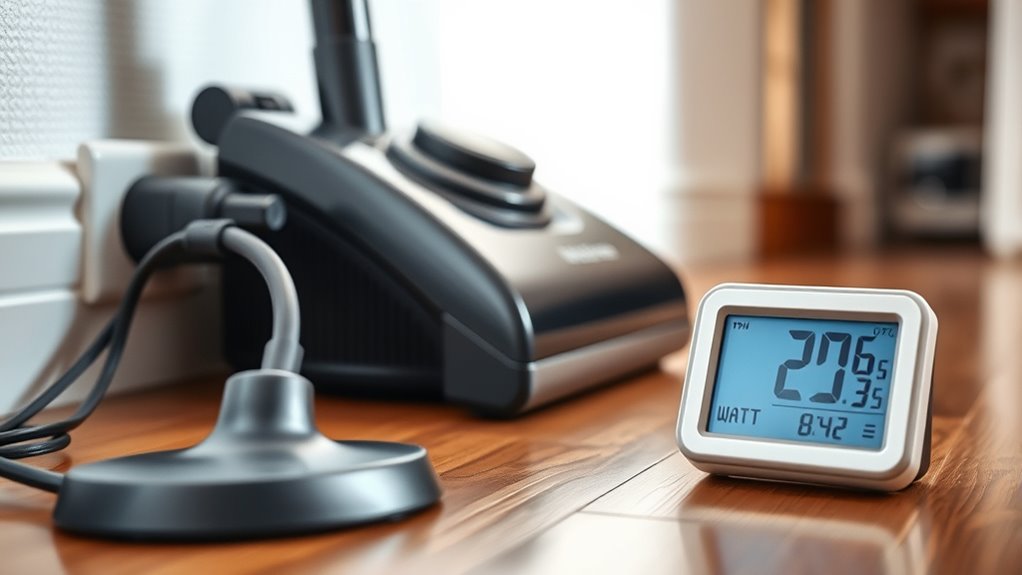
If you want to know how many amps your vacuum uses, you can easily calculate it by dividing the vacuum’s wattage by the voltage, which is usually 120 volts in the U.S. For example, if your vacuum has a power rating of 600 watts, its amp draw equals 600 watts divided by 120 volts, resulting in 5 amps.
This wattage calculation helps you understand the vacuum power and the electrical load it places on your circuit. If the wattage isn’t listed on your vacuum specifications, check the label for volts and amps, then multiply volts by amps to find wattage.
Conversely, if you only have amperage, multiply it by 120 volts to estimate wattage. Knowing how to calculate amps from wattage is essential for circuit safety and managing energy consumption. This clear method guarantees your vacuum operates efficiently without overloading your electrical system.
How Filters, Settings, and Surfaces Affect Vacuum Amp Draw
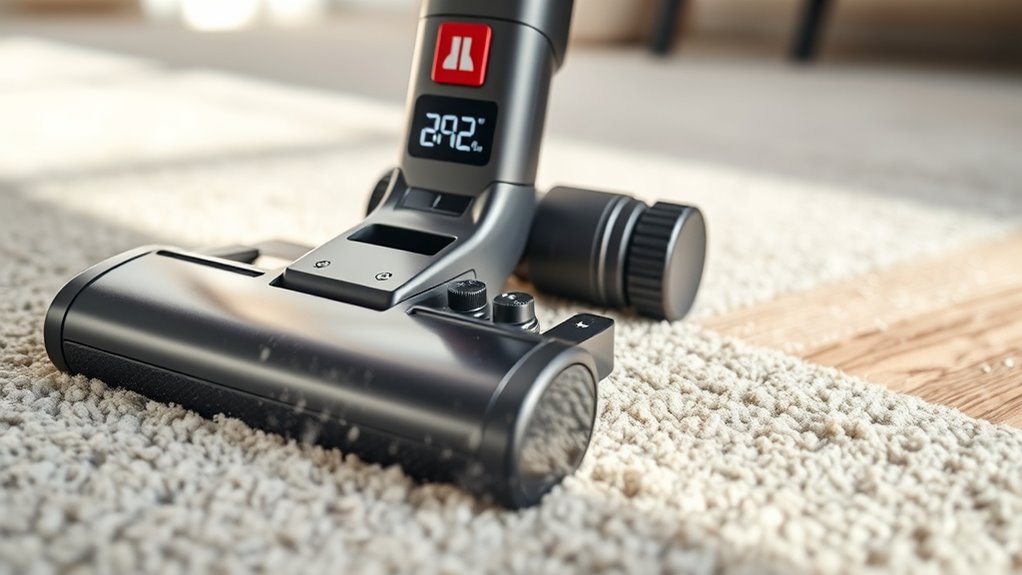
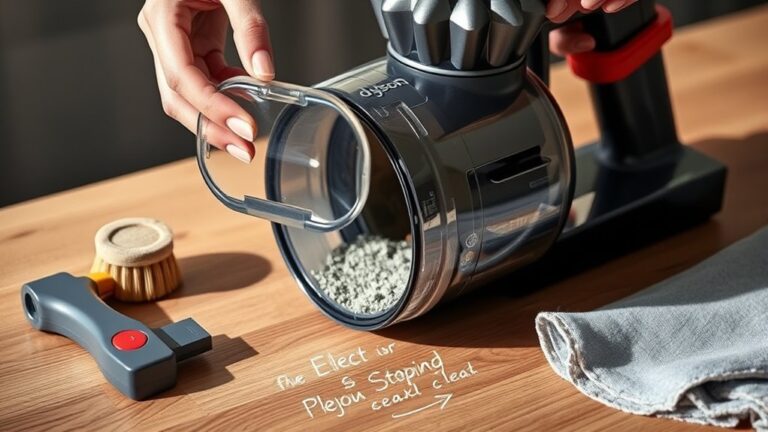
Although vacuum amps are often listed as a fixed value, your actual amp draw changes depending on filters, settings, and the surfaces you clean. Filters, especially when clogged, increase airflow resistance. This forces the motor to work harder and raises power consumption.
Adjusting suction settings also affects amp draw. Higher settings require more motor effort, particularly when you’re dealing with clogged filters or dense surfaces.
Surface resistance plays a key role too. Vacuuming thick carpets or rough floors demands more airflow and motor power, which increases amp draw and impacts vacuum performance.
| Factor | Effect on Amp Draw |
|---|---|
| Clogged Filter | Raises amp draw by restricting airflow |
| Suction Settings | Higher settings increase motor effort |
| Surface Resistance | Dense or rough surfaces boost power consumption |
Frequently Asked Questions
Can You Run a Vacuum Cleaner on 12 Amps?
Yes, you can run a vacuum cleaner on 12 amps safely. Just make sure your circuit supports that load.
Also, try to avoid using other high-amp devices at the same time. This helps prevent tripping your breaker or causing electrical issues.
How Many Amps Does a Shark Vacuum Pull?
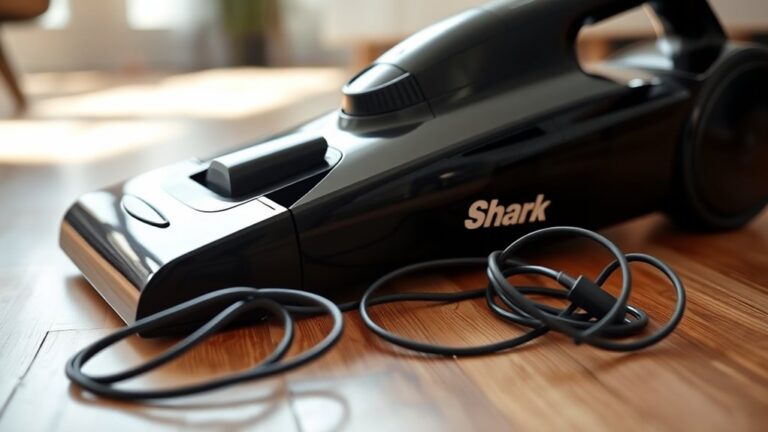
A Shark vacuum typically pulls between 8 to 12 amps for upright models and 4 to 6 amps for cordless ones.
It’s a good idea to check your specific model’s label to confirm its exact amperage rating before use. That way, you’ll know exactly what you’re working with!
Is 10 Amps Good for a Vacuum?
You’ll find 10 amps is great for a vacuum—it typically uses about 1,200 watts, offering strong cleaning without overloading your circuit.
It balances power and efficiency, so you won’t sacrifice performance or safety.
Is 600 Watts a Lot for a Vacuum?
600 watts isn’t a lot for a vacuum; it’s moderate power for most household tasks. You’ll get decent suction without overloading your circuit.
That makes it efficient enough for regular cleaning without excessive energy use. So, it’s a good balance between performance and saving on electricity.
Conclusion
Now that you know how to calculate your vacuum’s amps from wattage and how filters, settings, and surfaces affect the draw, you’re ready to make smarter choices.
Like a trusty quill in the age of computers, understanding these details might seem old-fashioned, but it keeps your vacuum running efficiently.
So, keep an eye on those amps to save energy and prolong your vacuum’s life. Monitoring amps not only helps reduce electricity bills but also ensures your vacuum stays in top shape longer.
By paying attention to your vacuum’s amp usage, you can avoid overloading circuits and identify when maintenance is needed.
You’ve got this! Keeping track of amps is a simple yet powerful way to boost your vacuum’s performance and save energy every time you clean.