
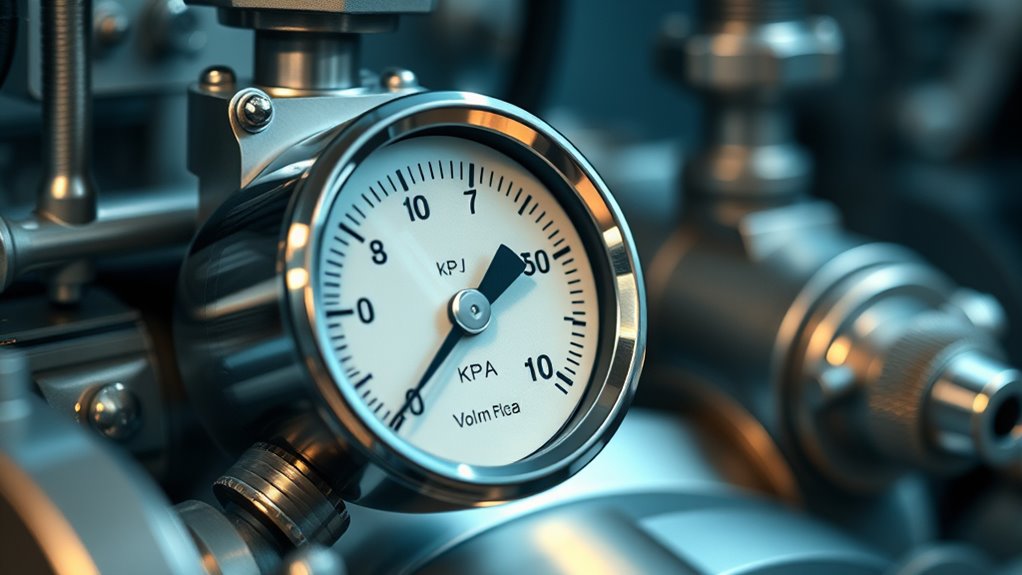
What Is kPa in Vacuum Measurement?
kPa in vacuum measurement stands for kilopascal, a unit that tells you how strong your vacuum’s suction is. It’s an important factor to consider when choosing a vacuum because it gives you a clear idea of how well the machine can lift dirt and debris.
Think of kPa as a way to compare the cleaning power of different vacuum models. Values around 10-15 kPa mean the vacuum has solid suction and can handle everyday messes with ease.
If you see anything above 20 kPa, that vacuum offers deep, exceptional cleaning, perfect for tough dirt or pet hair.
Knowing the kPa helps you pick the right vacuum tailored to your floors and cleaning needs.
Keep exploring to understand how to use kPa measurements to find the best vacuum for your home and lifestyle. It’s a smart way to get the most out of your cleaning routine!
Key Takeaways
- kPa (kilopascal) measures the suction pressure or vacuum strength of a vacuum cleaner. It basically tells you how powerful the vacuum’s pull is.
- Higher kPa values mean stronger suction and better ability to lift debris. So, the bigger the number, the more dirt it can grab.
- Typical strong vacuum suction ranges from 10 to 15 kPa. If it’s over 20 kPa, that’s usually for deep cleaning jobs.
- kPa helps you compare vacuum models by giving a clear number for their cleaning power. It’s a handy way to see which one might work better for you.
- Choosing vacuums based on kPa ensures you get the right strength for your floor types and cleaning tasks. That way, you’re not over- or under-powered.
What Is kPa And Why It Matters For Your Vacuum
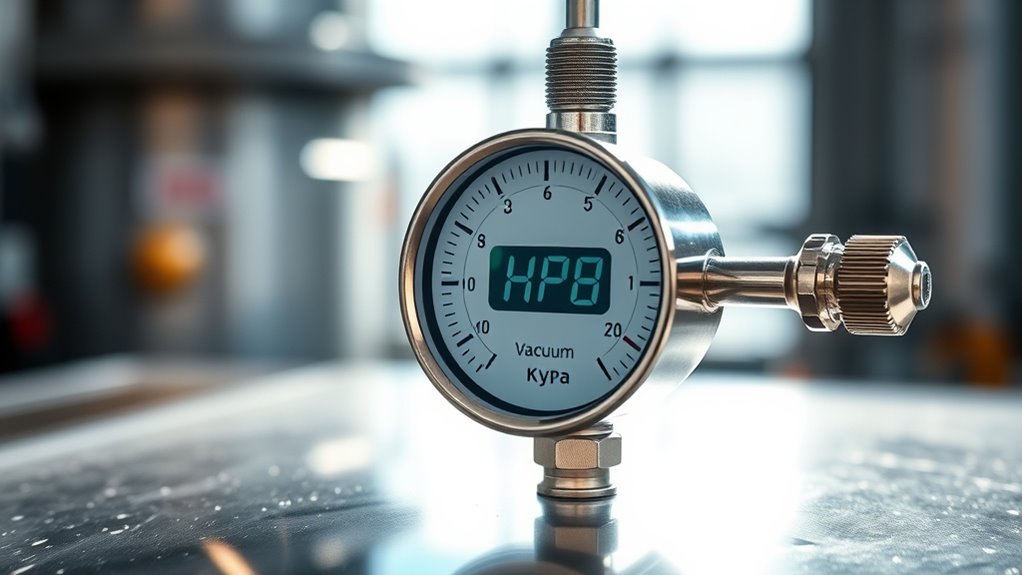
What exactly is kPa, and why should you care about it when choosing a vacuum? Kilopascal (kPa) is a unit of pressure measurement that shows the vacuum suction strength. It’s a key indicator of your vacuum’s cleaning power and suction capability.
When you compare vacuum models, kPa helps you understand their vacuum strength more precisely than vague claims. Higher kPa values, such as 10 to 15 kPa, mean stronger suction that can lift heavier debris, making debris removal easier.
Some powerful vacuums even reach over 20 kPa, offering exceptional deep cleaning by maintaining strong airflow. Knowing the kPa helps you pick the right vacuum for your needs—whether it’s routine dust or stubborn dirt embedded in carpets.
How To Use kPa To Find The Best Vacuum For You
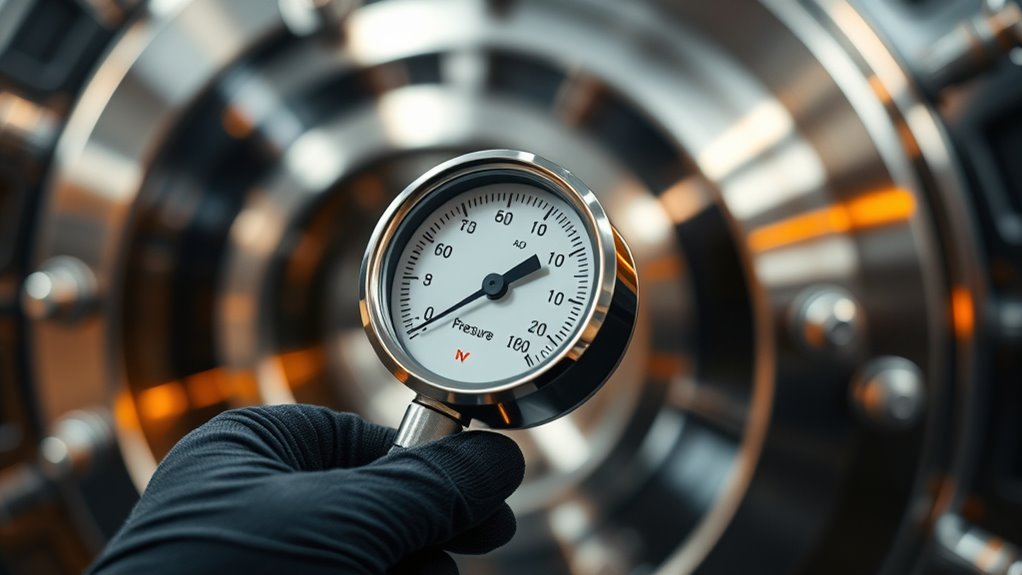
Understanding the kPa rating gives you a clear advantage when picking a vacuum that fits your cleaning needs. Suction power, measured in kPa, indicates the pressure your vacuum cleaner generates to lift dirt.
Knowing the kPa rating helps you choose a vacuum with the right suction power for effective cleaning.
For deep cleaning carpets, look for a model with a kPa rating between 10 and 15. This guarantees strong enough airflow to remove embedded debris. If you mainly clean hard floors or delicate surfaces, a vacuum with 5–8 kPa offers sufficient pressure without damaging them.
When pets are part of your household, a higher kPa rating really boosts performance by effectively lifting pet hair. Also, don’t forget to consider the filter quality—it plays a big role in maintaining airflow and suction power over time.
Comparing kPa ratings helps you find a vacuum cleaner that matches your specific needs. It’s all about balancing suction power and pressure for the best results. Using kPa as a guide makes sure you get the right vacuum for carpets, hard floors, or pet-related messes, maximizing your cleaning efficiency.
Frequently Asked Questions
What Is a Good kPa in a Vacuum?
A good kPa in a vacuum ranges from 10 to 15 for household cleaning, giving you strong suction.
For deep cleaning, you’ll want 20 or more. Robot vacuums work well around 3 to 10 kPa.
Is a 35 kPa Vacuum Cleaner Good?
A 35 kPa vacuum cleaner packs a powerful punch, unlike typical models. You’ll love it for deep cleaning and heavy debris.
But it might be overkill for everyday tasks where 15-20 kPa usually suffices. So, think about what you need before choosing one.
Is 6.5 kPa Good for Vacuum Cleaner?
6.5 kPa is decent for light cleaning and hard floors, but it might struggle with thick carpets or heavy dirt.
You’ll want stronger suction if you need deep cleaning or have pets and heavy debris.
Is 70 kPa Good Suction?
Yes, 70 kPa packs powerful, professional-level pull, perfect for persistent pet hair and thick textiles.
You’ll want to watch your wares carefully, though, since such strong suction could scratch sensitive surfaces if you’re not cautious.
Conclusion
Now that you know kPa measures vacuum pressure, you see how something so small can make a big difference. It’s like comparing a gentle breeze to a powerful storm—both are air, but their impact varies wildly.
Understanding kPa helps you choose a vacuum that fits your needs perfectly. Don’t settle for less when precision matters; let kPa guide you to cleaner, more efficient results every time.
In vacuum measurement, kPa is a key unit that tells you how much pressure is being applied or removed. Knowing this helps you pick the right vacuum for your tasks, whether it’s light cleaning or heavy-duty work. So, paying attention to kPa ensures you get the performance and accuracy you need. Embrace kPa as your go-to metric for vacuum pressure and enjoy better, more reliable cleaning every time.




One Comment