
Why Does My Vacuum Smell Like Burning and How to Fix It
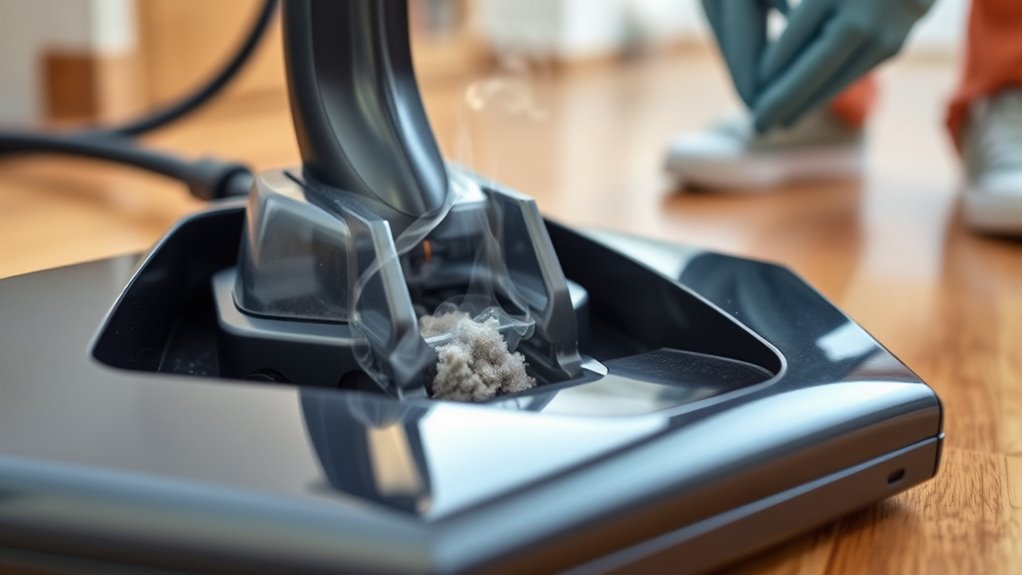
If your vacuum smells like it’s burning, it’s usually because the motor is overheating. This can happen from clogged filters, restricted airflow, or a jammed brush roll.
Worn or slipping belts can also cause friction and heat, leading to that unpleasant burning smell.
To fix it, the first thing you want to do is turn off and unplug the vacuum. Then, clear any debris you see, and clean or replace the filters.
Don’t forget to check the belt for any signs of damage or wear.
If the smell sticks around even after you’ve done all that, it might be time to call in a professional. They can inspect the internal parts and figure out what’s really going on.
Keep reading to find out more helpful tips on handling this annoying issue!
Key Takeaways
- Burning smell often results from motor overheating due to clogged filters or restricted airflow. It’s usually a sign that your vacuum needs some attention.
- Tangled brush roll or worn drive belt creates friction, generating heat and burning odors. This can cause your vacuum to smell like it’s burning.
- Regularly clean or replace filters and remove debris from the brush to prevent motor strain. Keeping these parts clear helps your vacuum run smoothly.
- Immediately unplug the vacuum, then inspect belts, brush, filters, and hose for damage or blockages. This quick check can stop further problems.
- If the burning smell sticks around or you suspect electrical faults and motor damage, it’s best to seek professional repair. Don’t ignore it, as it could get worse.
Why Does My Vacuum Smell Like It’s Burning?
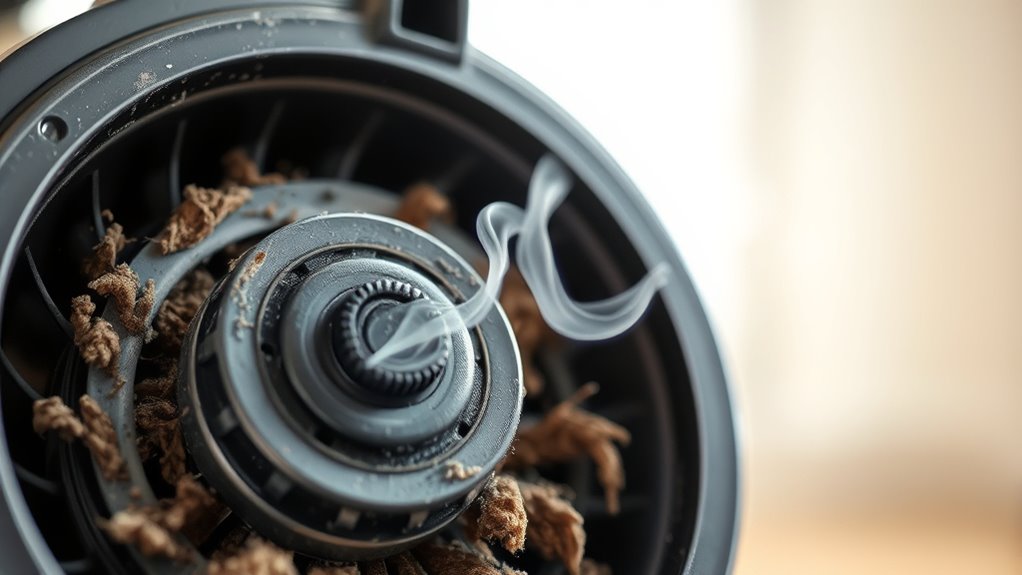
If your vacuum smells like it’s burning, it usually means the motor is overheating or there’s excessive friction somewhere inside. One common cause is overloaded or clogged filters restricting airflow, forcing the motor to work harder and overheat. That produces that distinct burning smell.
Another culprit is the brush roll. If it’s jammed or tangled with debris, friction increases, generating heat and often a burning rubber or plastic odor. A worn or slipping drive belt can also cause friction, leading to overheating and that unpleasant scent.
Sometimes, electrical faults like damaged wiring contribute to motor overheating, worsening the burning smell. If you notice persistent odors despite checking for these issues, it might indicate internal damage requiring professional repair. Understanding these causes helps you identify whether it’s a simple clog or a more serious motor or belt problem causing your vacuum’s burning smell.
How to Fix a Vacuum That Smells https://www.thevacuumadvisor.com/why-is-my-vacuum-smoking/Like Burning
When your vacuum starts smelling like it’s burning, taking immediate action can prevent further damage or safety risks. First, turn off and unplug the vacuum to avoid hazards.
Next, check the belt for wear or breakage, and replace it if damaged. A slipping or burnt belt often causes that burnt smell.
Check the vacuum belt for damage and replace it to stop that burning smell.
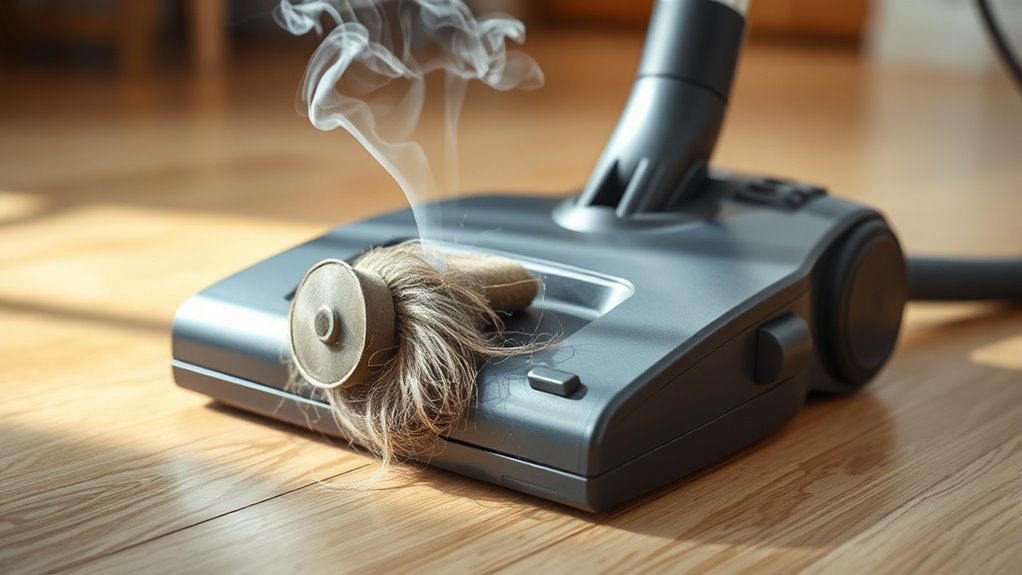
Then, clean the brush thoroughly by removing tangled hair and debris, which can cause friction and overheating. Don’t forget to inspect the dust bin and replace filters if they’re clogged—restricted airflow can overwork the vacuum motor, leading to a burning odor.
Also, examine the hose for clogs that might strain the motor. If the vacuum motor itself shows signs of overheating or burnt components, it’s best to seek professional repair.
Frequently Asked Questions
How to Fix Overheated Vacuum Cleaner?
You should unplug your vacuum, clear any blockages, and check the belt for damage. Let it cool for 30 minutes, then test it.
If it still overheats, get a professional to inspect and repair it. Sometimes, it’s best to leave it to the experts!
Why Does My Vacuum Smell Like Burning but the Belt Is Fine?
Your vacuum smells like burning even if the belt’s fine because internal parts like the motor, brushes, or wiring might overheat or wear out.
It’s a good idea to check for blockages, misaligned pulleys, or electrical issues to fix the problem. Sometimes, it’s just a simple thing causing the smell.
How to Fix a Smelly Vacuum?
You can fix a smelly vacuum by cleaning or replacing filters, emptying the dust bin, and removing hair from the brush roll.
Also, make sure all parts are dry before putting everything back together.
Regular maintenance helps keep odors and overheating at bay.
It’s easier than you think, and your vacuum will thank you for it!
Why Do Vacuums Start to Stink?
You know what they say: garbage in, garbage out. Your vacuum stinks because debris, pet hair, and moisture build up, clogging filters and bags.
If you don’t clean it regularly, unpleasant odors will stick around like glue. It’s like the smell just gets trapped inside and won’t let go. So, keeping it clean is key!
Conclusion
If your vacuum smells like it’s burning, don’t ignore it—you’ll want to fix it quickly to avoid damage.
For example, imagine Sarah, who noticed the smell and found her brush roll was tangled with hair. After clearing it out and cleaning the filter, the smell disappeared, and her vacuum worked like new.
By regularly checking for blockages and worn parts, you can keep your vacuum running smoothly and smelling fresh every time you clean.
A burning smell from your vacuum often means something is clogged or parts are overheating. Taking a few minutes to inspect your vacuum’s brush roll, belt, and filters can prevent damage and keep everything working efficiently. So, whenever you notice that burning odor, act fast to clean or replace the necessary parts. This simple maintenance helps extend your vacuum’s life and keeps your home smelling clean.



2 Comments