7 Signs You Should Replace Your Vacuum More Often
You should replace your vacuum if it consistently loses suction even after cleaning filters and emptying dustbins, or if it makes unusual noises like grinding or squealing. These issues often indicate that the vacuum isn’t working as efficiently as it should, which can make cleaning a real hassle.
Burning smells and smoke are serious signs of electrical or motor failure. If you notice any of these, it’s best to stop using the vacuum immediately to avoid further damage or safety risks.
Physical damage—like cracks, broken parts, or detached wheels—also means it’s time to let it go. A vacuum in poor condition won’t perform well and might even cause more harm than good.
If your vacuum is over eight years old with persistent problems, replacement is often the smartest choice.
Keep an eye out for these signs and discover what else to watch for. It’s all about knowing when to upgrade so your home stays clean without the stress.
Key Takeaways
- Persistent loss of suction despite regular cleaning and filter replacement indicates the vacuum needs replacing. It’s frustrating when your vacuum just can’t pick up like it used to, right? Sometimes, no matter how much you clean, it just won’t work properly anymore.
- Unusual grinding, squealing, or rattling noises during operation signal mechanical failure requiring replacement. Those weird sounds aren’t normal and usually mean something inside is wearing out. It’s a good sign that your vacuum might be on its last legs.
- Visible physical damage like cracks, broken parts, or detached wheels compromises vacuum performance and safety. If you see any of these issues, it’s best not to risk it. Using a damaged vacuum can make cleaning harder and even unsafe.
- Frequent electrical issues such as burning smells, smoke, or sparks suggest dangerous motor or wiring problems. This is a serious warning to stop using the vacuum immediately. Electrical problems can be hazardous, so replacing the vacuum is the safest choice.
- Vacuums over eight years old with declining performance and costly repairs are better replaced than fixed. Sometimes, spending money on repairs just isn’t worth it anymore. A new vacuum can save you time, effort, and money in the long run.
When to Replace Your Vacuum: Key Signs to Watch
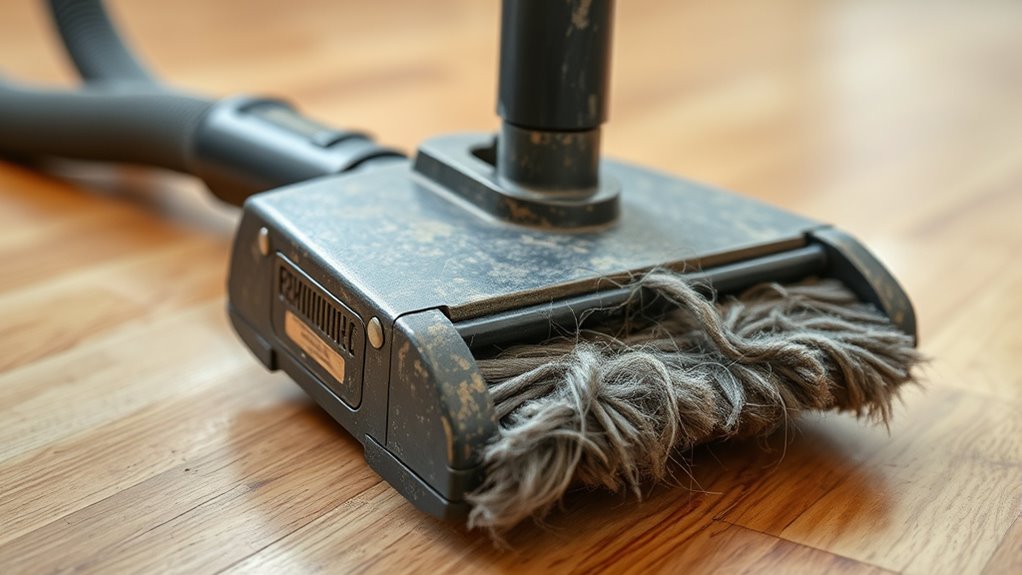
Although regular maintenance can keep your vacuum running smoothly, you should consider replacing it if it consistently loses suction despite cleaning filters and emptying the dustbin. A noticeable drop in suction power and cleaning performance after you replace the filter or perform routine upkeep are clear signs it’s time to move on.
Pay attention to unusual noises like grinding or burning smells during operation, as these often signal mechanical failure that can’t be fixed easily. Visible damage such as cracks, broken parts, worn-out belts, or damaged wheels also means your vacuum isn’t functioning effectively anymore.
Before spending money on repairs, weigh the cost of repairs against buying a new vacuum. If fixing broken parts costs close to or exceeds the price of a replacement, it’s more economical to get a new machine.
Recognizing these signs early helps you avoid inefficient cleaning and costly repairs down the road. So, keep an eye out and don’t hesitate to upgrade when your vacuum’s past its prime!
Recognize Loss of Suction Power and Why It Happens
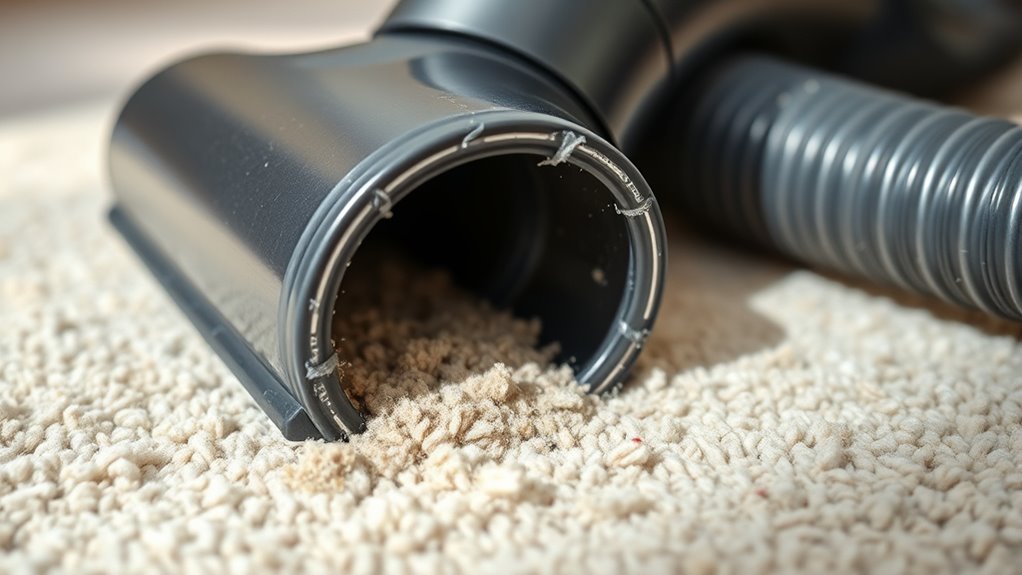
If your vacuum’s suction power drops noticeably even after cleaning the filters and emptying the dustbin, it’s time to explore the causes. Clogs, worn motor parts, or damaged seals can all reduce suction and may require more than just troubleshooting.
Understanding these issues helps you decide whether repairs are worth it or if replacing the vacuum is a smarter choice. Sometimes, it’s not just about a quick fix—you might need to dig a little deeper to get your vacuum working like new again.
Causes Of Suction Loss
When your vacuum starts losing suction, it’s usually a sign that airflow is being blocked somewhere in the system. Common causes include a clogged filter or blockages in the hose or dust canister. These create airflow restriction and reduce cleaning efficiency.
Worn drive belts can also cause loss of suction by preventing the brush roll from spinning properly. Plus, a full or improperly sealed dust canister limits suction power.
Sometimes, mechanical issues like a damaged motor or seal damage are to blame. These often need professional repair or replacement.
| Cause | Effect on Suction |
|---|---|
| Clogged filter | Airflow restriction |
| Blockages | Reduced debris flow |
| Worn drive belts | Ineffective brush roll |
| Full dust canister | Lower suction power |
| Damaged motor/seals | Significant suction loss |
Troubleshooting Suction Issues
To keep your vacuum running at peak performance, you need to recognize and troubleshoot suction loss quickly. Start by checking for clogs in the hoses, filters, and dust canister, as blockages here often restrict airflow.
Clean or replace dirty filters regularly—HEPA filters need attention every 1-6 months. And don’t forget to empty the dust canister or replace the bag when it’s full, since this directly affects suction power.
Take a look at the drive belts and brush roll for wear or damage. Worn parts can cause mechanical failure and suction loss.
If proper maintenance doesn’t restore suction, persistent loss might signal deeper mechanical issues or that it’s time to replace your vacuum. Catching these problems early saves you time and ensures effective cleaning every time.
Identify Strange Noises That Mean Trouble
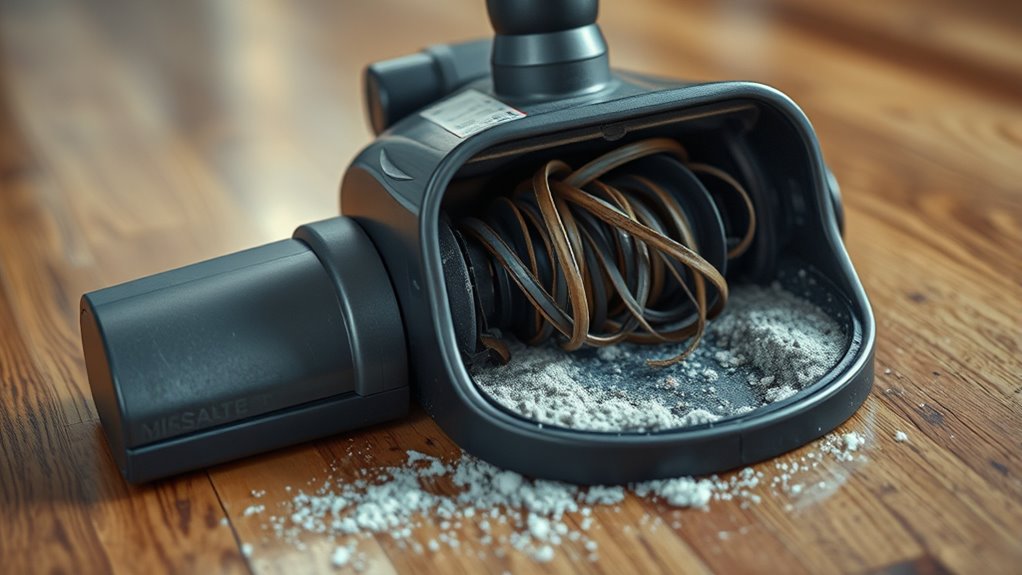
Although vacuums often make some noise during use, you should pay close attention when unusual sounds like grinding, squealing, or rattling start to appear. Strange noises often mean something’s wrong.
Grinding or squealing typically points to worn bearings or motor problems. If you hear rattling or banging, check for loose parts or debris caught in the brush roll.
Persistent banging could also indicate a broken belt, affecting performance. Ignoring these sounds risks motor overheating, leading to costly damage.
If strange noises continue despite regular maintenance, your vacuum likely needs repair or replacement. Don’t dismiss these warning signs—addressing them early can save you frustration and prevent further damage.
Keep an ear out for any sudden loud noises or changes in sound, as they often signal trouble that requires immediate attention. Recognizing these signs helps you decide when it’s time to replace your vacuum more often.
Burning Smells? Stop Using Your Vacuum Immediately
If you notice a burning smell while using your vacuum, stop immediately. That odor usually means the motor or electrical parts are overheating, which can be dangerous.
Ignoring it puts you at risk of fire and costly damage, so don’t wait to replace your vacuum. It’s better to be safe than sorry!
Identifying Burning Odors
When you notice a burning smell coming from your vacuum, don’t ignore it—this often signals overheating or motor problems that can quickly become dangerous. A persistent burning smell may indicate motor failure or electrical problems inside the vacuum.
If the odor remains after you clean filters and remove debris, internal damage is likely. Watch closely for smoke or sparks, as these signs point to severe electrical issues that require immediate replacement.
Dust buildup and worn belts can cause friction and heat, producing that burning odor during use. Continuing to use your vacuum despite these warnings risks permanent motor damage and fire hazards.
Identifying burning odors early helps you avoid bigger problems and know when it’s time to stop using your vacuum and invest in a replacement. Better safe than sorry, right?
Risks Of Continued Use
Since burning smells usually signal serious motor or electrical issues, you should stop using your vacuum immediately to avoid fire hazards. Ignoring burning smells often means motor overheating or electrical component failure, which can quickly escalate.
If you notice smoke fumes along with the odor, shut off your vacuum at once to prevent potential fires. Continued use despite these signs increases the risk of electrical shorts, worsening damage, and costly repairs.
Persistent burning odors, even after cleaning filters, suggest internal damage that could lead to complete motor burnout. Besides fire hazards, continued use compromises indoor air quality and your safety.
To protect your home and wallet, address burning smells promptly by either replacing your vacuum or seeking professional repair before serious damage occurs. Don’t wait around—taking action now can save you a lot of trouble later.
Frequent Vacuum Clogs and Dust Leaks Explained
Although frequent vacuum clogs and dust leaks might seem like minor annoyances, they often signal deeper problems with your machine’s airflow and seals. When you notice repeated clogs in hoses or filters, it usually means your vacuum’s airflow is severely restricted.
This restricts suction and points to possible internal component wear or filter deterioration. Dust leaks around seals or the dust canister indicate that gaskets might be worn, cracked, or improperly fitted, which compromises performance.
Even if you regularly clean the vacuum, persistent clogs and dust leaks suggest these issues aren’t easily fixed. At this stage, your vacuum’s internal components are likely breaking down beyond repair.
Ignoring these signs can shorten your vacuum’s lifespan and reduce cleaning efficiency. When clogs and dust leaks become constant despite your efforts, it’s a clear signal that it’s time to replace your vacuum to maintain best performance.
Troubleshoot Power Issues and Common Mechanical Failures
If your vacuum frequently overheats or shuts off during use, you’re likely facing motor trouble that needs attention. Motor issues often cause overheating, which can lead to electrical issues or even motor burnout if ignored.
Listen for grinding noises or screeching sounds—these usually indicate worn brushes or damaged bearings, both common mechanical failures. If you notice a persistent loss of suction despite cleaning filters and emptying the dustbin, check your drive belts.
Loose or damaged drive belts can reduce suction and cause unusual noises. Worn brushes also contribute to poor cleaning performance and mechanical stress.
Additionally, if you smell burning or see smoke, it’s a clear sign of serious electrical problems or motor failure. Addressing these signs promptly can save you from costly repairs, but repeated issues often mean it’s time to replace your vacuum for better reliability and performance.
Check for Physical Damage and Consider Vacuum Age
Mechanical problems and electrical issues aren’t the only signs your vacuum may need replacing—you should also inspect it for physical damage and consider its age. Check for cracks, broken parts, or detached wheels, as these often mean repair costs could outweigh replacing the vacuum.
Structural damage like missing panels or loose components leads to performance decline, reducing suction efficiency. Look closely at hoses and seals, since deterioration here causes air leaks that compromise cleaning power.
Also, consider vacuum age: units over eight years typically show significant wear and tear. Motors and belts in older vacuums often become worn, making repairs costly and less effective.
If you notice these signs of physical damage or your vacuum feels outdated and less efficient, it’s time to replace vacuum equipment. Addressing these issues promptly ensures effective cleaning performance and prevents further damage that could affect your home’s cleanliness and safety.
Frequently Asked Questions
How Often Should You Replace Vacuums?
You should replace your vacuum every 5 to 7 years to keep it working well.
If it loses suction or breaks down often, it’s better to get a new one than keep fixing the old vacuum.
What Is the Average Lifespan of a Vacuum?
You might be surprised, but the average vacuum lasts about 8 years if you keep it well-maintained.
Push it harder or skip care, and you’ll see that number drop fast, forcing you to replace sooner than expected.
How Do You Tell if You Need a New Vacuum?
You need a new vacuum if it loses suction, makes strange noises, or smells burnt.
Clogs that happen all the time or leaving debris behind are also signs.
Plus, if parts break or repairs don’t fix the problem, it’s probably time to replace your vacuum.
What Vacuum Brand Lasts the Longest?
If you want a vacuum that’s a faithful companion, you’ll choose Miele or Dyson—they last like timeless legends.
With proper care, these brands stick around over a decade, saving you from frequent replacements and frustration.
Conclusion
When your vacuum’s strength fades like a dimming star, it’s time to let it go. Don’t ignore strange noises or burning smells—they’re warning bells echoing from within.
Frequent clogs and power hiccups are cracks in the armor, signaling it’s worn out. Physical damage and age are the final strokes on the canvas.
Trust these signs; replacing your vacuum isn’t just maintenance—it’s breathing fresh life into your home’s heartbeat. Regularly updating your vacuum keeps your cleaning efficient and your home healthier. So, if you notice these 7 signs, don’t hesitate to replace your vacuum more often and enjoy a cleaner, fresher living space.