
How Much Does It Cost to Fix a Vacuum Leak?
Fixing a vacuum leak typically costs you between $150 and $1,000, depending largely on where the leak is and how complex the repair gets. Vacuum leaks can cause all sorts of issues with your engine’s performance, so it’s important to address them promptly.
If it’s a simple vacuum hose issue, expect lower costs around $80 to $250.
But leaks involving the intake manifold or gaskets usually run higher and can be more complicated to fix.
Your vehicle’s make and how accessible the leak is also impact the price.
Knowing these factors can help you understand what to expect and why costs vary.
It’s always good to get a detailed estimate so you’re not caught off guard.
Key Takeaways
- Vacuum leak repairs typically cost between $150 and $1,000, depending on severity and location.
- Simple vacuum hose repairs usually range from $80 to $250.
- Intake manifold or gasket leaks are more expensive due to complex repairs and parts.
- Labor costs vary with vehicle type, component accessibility, and regional rates.
- Early leak detection reduces repair costs and prevents engine damage.
It’s always better to catch these leaks early. That way, you can save money and avoid bigger engine problems down the road.
How Much Does It Cost to Fix a Vacuum Leak?
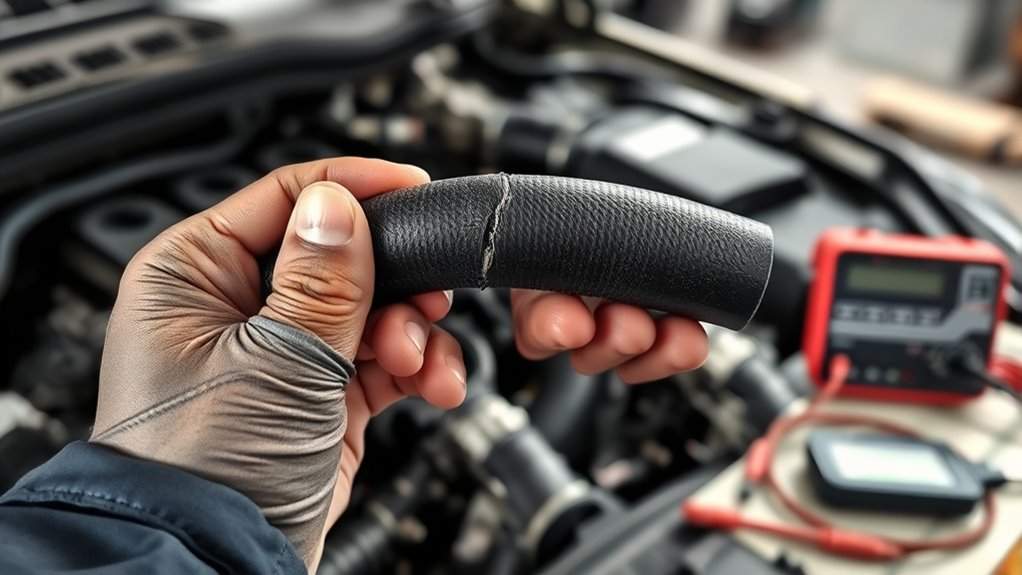
Although the cost to fix a vacuum leak varies widely, you can generally expect to pay between $150 and $1,000 depending on the leak’s location and complexity. Simple repairs, like replacing damaged vacuum hoses, might cost as little as $80 to $250.
However, leaks involving the intake manifold or manifold gasket usually lead to higher repair expenses due to the parts and labor involved. When you detect a vacuum leak early, you avoid more severe engine damage that can harm overall engine performance.
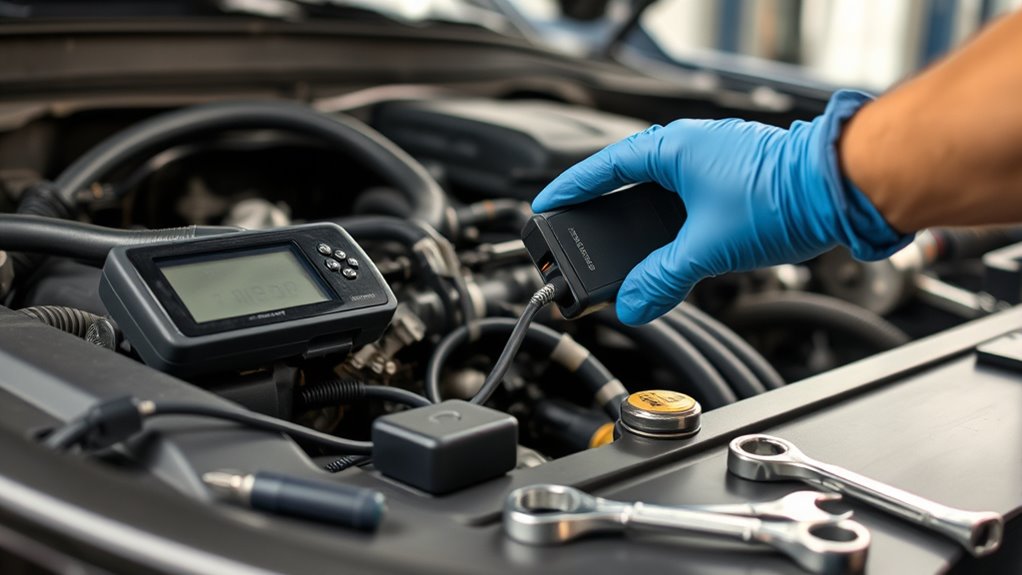
Professionals use diagnostic tools to accurately locate leaks within the vacuum system and determine the necessary repairs. Ignoring a vacuum leak can lead to costly consequences, so timely repair is essential.
Repair costs vary by your vehicle’s make and model, as well as how accessible the faulty components are. By addressing vacuum leaks promptly, you help maintain your engine’s efficiency and prevent expensive damage down the road.
Key Factors That Influence Vacuum Leak Repair Costs
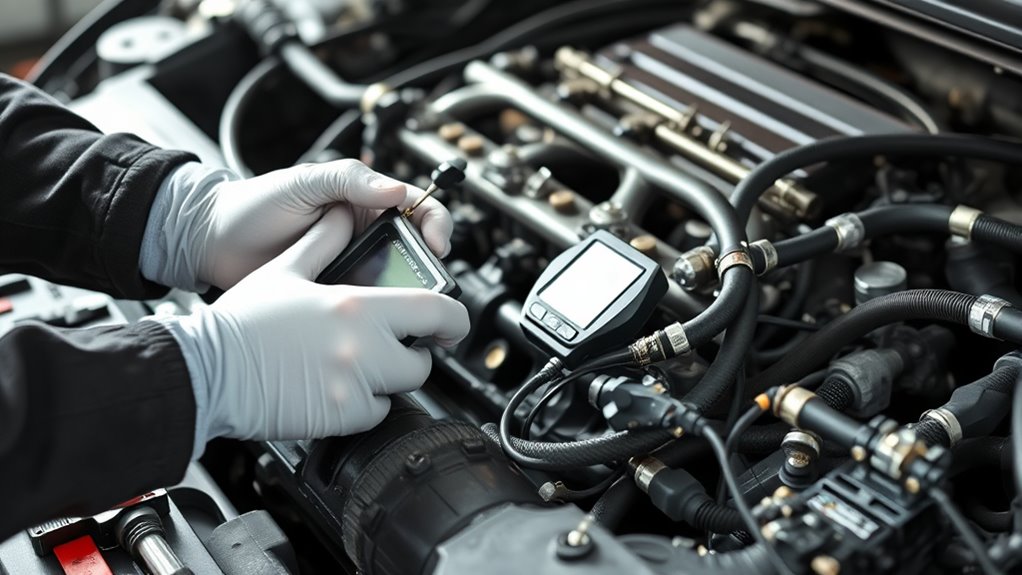
When you’re dealing with a vacuum leak, several key factors influence how much you’ll pay to fix it. The leak location plays a big role—vacuum hoses are cheaper to repair than leaks in the intake manifold.
Your vehicle make also matters since some engines have complex layouts that increase repair expense. Labor rates and the need for specialized diagnostics can raise costs, especially for hidden leaks.
The extent of the damage impacts both repair costs and how your engine performance improves after fixing.
| Factor | Impact on Repair Costs | Example |
|---|---|---|
| Leak Location | Major influence | Hose leak cheaper than intake manifold gasket |
| Vehicle Make | Affects difficulty and parts | Complex engines cost more |
| Labor Rates | Varies by location and shop | Higher in urban areas |
| Diagnostics | May require advanced tools | Hidden leaks cost more |
| Extent of Leak | Bigger leaks raise costs | Simple hose vs. manifold leak |
Understanding these factors helps you anticipate repair costs more accurately.
Frequently Asked Questions
Is It Worth Fixing a Vacuum Leak?
Yes, it’s worth fixing a vacuum leak because you’ll improve your engine’s performance, fuel efficiency, and safety.
Ignoring it can cause costly damage, so addressing it early saves you money and hassle down the road.
Trust me, taking care of it sooner rather than later is definitely the smarter move.
Is It Okay to Drive With a Vacuum Leak?
Driving with a vacuum leak is like sailing with a slow leak in your boat—you can for a while, but eventually, you’ll face rough waters.
Don’t risk it; get it fixed to keep your engine smooth and safe.
What Is the Most Common Cause of a Vacuum Leak?
The most common cause of a vacuum leak is cracked or brittle vacuum hoses that deteriorate over time. You’ll often find these hoses worn out due to heat and age, leading to leaks that affect your engine’s performance.
It’s pretty normal for these hoses to get damaged after a while. When that happens, your engine might not run as smoothly as it should. So, keeping an eye on your vacuum hoses can save you a lot of trouble down the road.
Can I Fix a Vacuum Leak Myself?
You can fix a vacuum leak yourself, like a detective finding clues. With basic tools, replacement parts, and careful inspection, you’ll save money.
Just take your time, follow guides, and avoid rushing to prevent mistakes. It’s easier than you might think once you get started!
Conclusion
When it comes to fixing a vacuum leak, remember that “a stitch in time saves nine.” Addressing the problem early can save you from costly repairs down the road.
Costs vary depending on the leak’s location and severity, but getting it repaired promptly ensures your engine runs smoothly and efficiently.
Don’t wait—tackle that vacuum leak now to avoid bigger issues. Fixing a vacuum leak early not only prevents expensive engine damage but also improves fuel efficiency and overall vehicle performance.
By acting quickly, you keep your car in top shape without breaking the bank. So, if you notice any signs of a vacuum leak, it’s best to get it checked and fixed right away. A timely repair can save you money and hassle in the long run while keeping your engine running like new.


