
How a Vacuum Works Step by Step
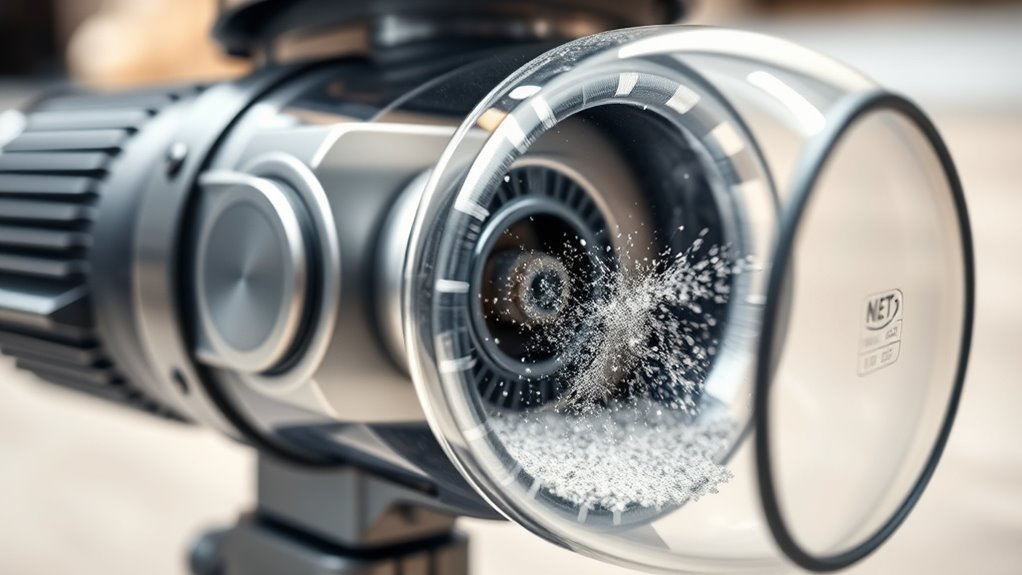
When you turn on your vacuum, its motor spins a fan that lowers the air pressure inside, creating suction. This suction is what pulls dirt, dust, and debris through the nozzle and into a dust bag or bin inside. It’s the basic principle behind how a vacuum works to keep your space clean.
As the airflow moves, it keeps the dirt traveling inside the vacuum. Filters play a key role here by trapping tiny particles so they don’t escape back into the air.
And here’s a tip: keeping the dust container clean helps maintain strong suction power.
So, every part of the vacuum—from the motor to the filters—works together to make sure your floors get spotless. Keep exploring, and you’ll see how each piece plays a crucial role in cleaning your space effectively.
Key Takeaways
- A motor spins a fan that lowers internal air pressure inside the vacuum. This pressure difference causes outside air to rush into the nozzle, creating suction.
- That suction pulls dirt and debris into the vacuum through continuous airflow.
- The dirt and particles get collected in a dust bag, bin, or container inside the vacuum.
- Filters trap fine dust and allergens. Plus, regularly emptying the container helps keep the suction strong and efficient.
How Does a Vacuum Cleaner Create Suction?
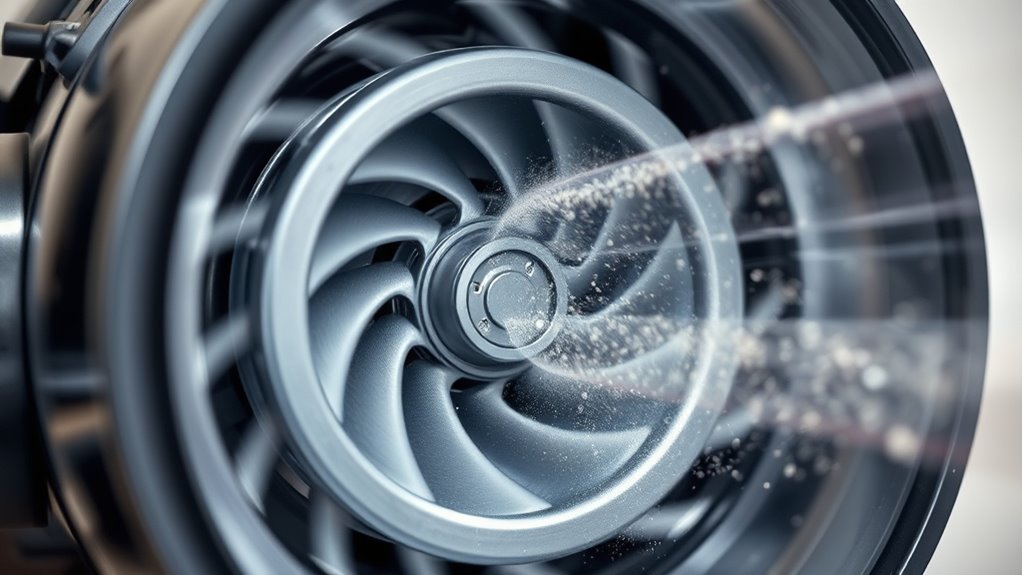
How exactly does a vacuum cleaner create suction? It all starts with the motor spinning a fan inside the device. This fan reduces the internal air pressure, creating a low-pressure zone within the vacuum.
Because of this drop in internal pressure, higher outside air pressure pushes air into the nozzle. This difference in air pressure causes airflow, pulling in dirty air and airborne particles from your floor.
Engineer Hubert Cecil Booth first developed this concept, using the pressure difference to generate suction. As the fan spins, it continuously draws in air and debris, maintaining that low internal pressure.
This constant airflow is what allows your vacuum to pick up dirt effectively. Without the motor-driven fan creating suction by manipulating air pressure, the vacuum wouldn’t be able to pull airborne particles or dirty air into its system.
Understanding this explains how your vacuum cleaner works so efficiently. Pretty neat, right?
Where Does the Dirt Go Inside Your Vacuum?
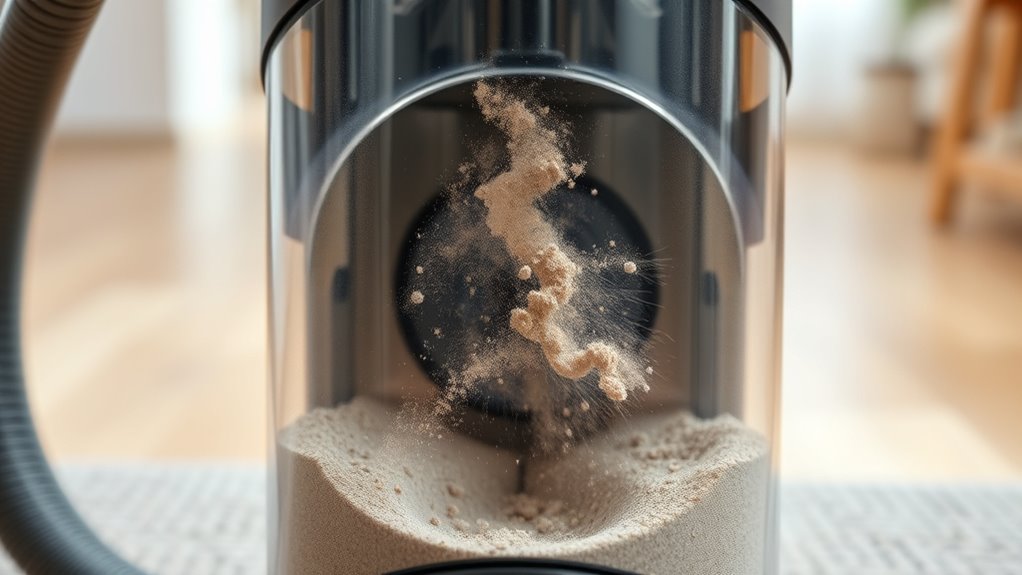
Once the vacuum pulls dirt and debris through the nozzle, it needs a place to store everything. The airflow created by the motor directs dirt particles and debris into the dust bag, dust bin, or collection container inside the vacuum. This dirt storage area holds the collected dirt until you empty it.
Larger debris settles here, preventing it from recirculating into your environment. Meanwhile, filters capture fine dust particles and allergens before the air exits the vacuum. These filters, often HEPA, guarantee cleaner air by trapping microscopic particles.
As dirt collection continues, the dust bag or bin fills up. When it’s full or clogged, suction decreases, so maintaining and emptying the dust collection container is essential to keep your vacuum working efficiently. By managing the dust bag or dust bin properly, you guarantee effective suction and thorough cleaning every time you use your vacuum.
Frequently Asked Questions
How to Use a Vacuum for Beginners?
You’ll want to turn on the vacuum and slowly move the nozzle over surfaces. Make sure to check the dust container isn’t full.
If needed, adjust the brush height to match the floor type. Also, remember to clean or replace filters regularly to keep it working efficiently. It’s easier than it sounds once you get the hang of it!
Do I Dust or Vacuum First?
You should vacuum first to remove loose dirt and debris. Then dust to catch any fine particles left behind.
This way, you won’t have to clean surfaces twice or deal with dust settling again. Makes the whole process way easier, right?
How Does a Simple Vacuum Work?
Think of a vacuum like a hungry dragon—it spins its fan to suck in air, pulling dirt and debris into its bag.
You’ll see it trap dust with filters before blowing clean air back out.
What Are the Common Mistakes When Vacuuming?
You often clog filters, forget to empty the dustbin, or miss sealing hoses properly.
You might vacuum large debris or use the wrong surface setting. All of these reduce suction and can damage your vacuum’s motor.
Conclusion
Now that you know how a vacuum creates suction and traps dirt, you can appreciate the simple magic happening under your nose. While it might seem like just a noisy machine, it’s actually a clever system working hard to pull away mess and keep your space clean.
So next time you hear that hum, remember—it’s not just sucking up dirt, it’s making your home fresh and inviting, one sweep at a time. Vacuums use suction power to lift dust, dirt, and debris from floors and carpets, ensuring your living space stays spotless.
Understanding how a vacuum works helps you see it as more than just a cleaning tool—it’s an essential part of maintaining a healthy home environment. Whether you’re tackling pet hair or everyday dust, that vacuum is your trusty partner in keeping things neat and tidy. So, embrace the noise and the power behind it, because every sweep is a step toward a cleaner, more comfortable home.


