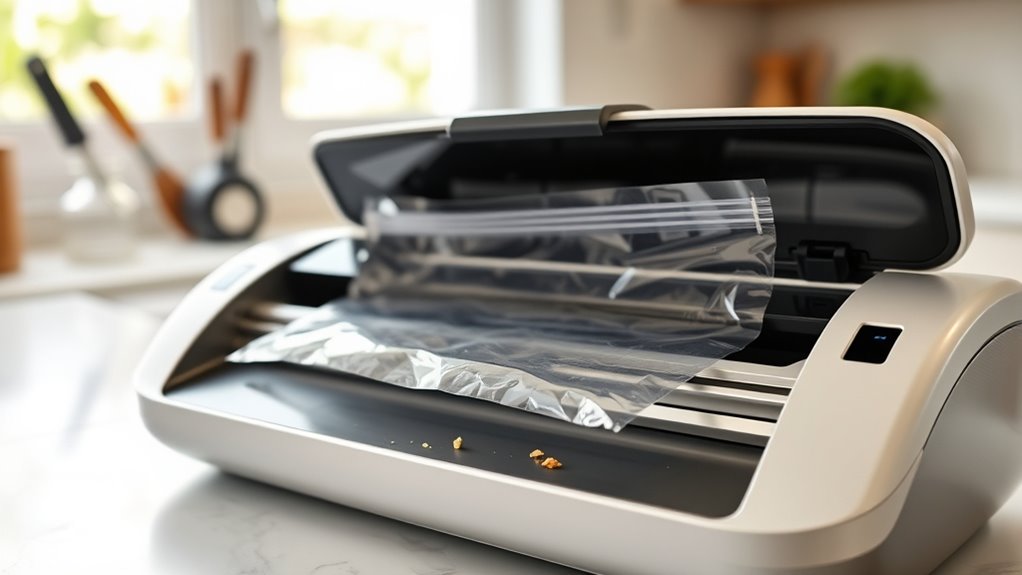
Why Is My Vacuum Sealer Not Vacuuming and How Can I Fix It Fast?
Your vacuum sealer might not be vacuuming properly for a few common reasons. It could be that the gasket is dirty or damaged, the bag isn’t placed correctly, or the vacuum pump is malfunctioning. These are the usual suspects when your vacuum sealer stops working as it should.
First, check that the bag is fully inside the vacuum channel without any wrinkles. Make sure the lid is securely closed to create a proper seal. Sometimes, a simple adjustment here can make all the difference.
Next, clean or replace any dirty seals. Let the machine cool down between cycles to avoid overheating.
If you want to get it working smoothly and avoid common pitfalls, there are simple fixes worth exploring further. Don’t worry, with a little care, your vacuum sealer will be back to sealing like new in no time!
Key Takeaways
- Check if the bag is fully inserted and properly aligned in the vacuum channel to ensure a complete seal. This helps the machine create the right suction.
- Clean or replace the gasket and seal strip if they are dirty or damaged. A good seal is key, so keeping these parts in shape really makes a difference.
- Remove any wrinkles, debris, or moisture from the bag and sealing area before vacuuming. It might seem small, but this can affect how well it works.
- Make sure the vacuum sealer lid is tightly closed and locked during operation. If it’s not secure, the suction won’t be strong enough.
- Allow the machine to cool for at least 20 seconds between cycles. This prevents overheating and keeps your vacuum sealer running smoothly.
Why Your Vacuum Sealer Isn’t Vacuuming: Common Causes and Symptoms
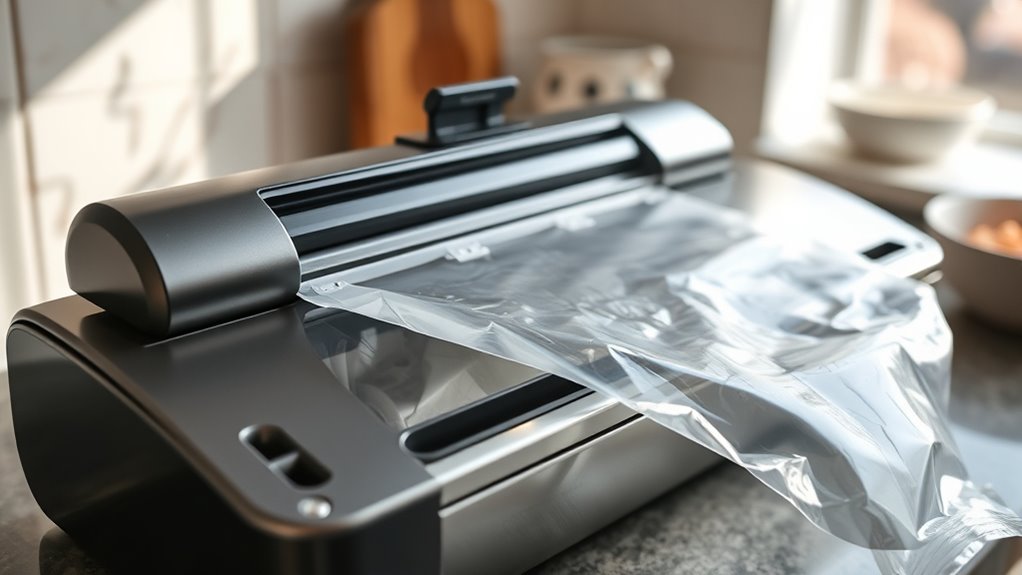
If your vacuum sealer isn’t vacuuming properly, it’s often because the machine can’t create an airtight seal. One common culprit is a damaged gasket; if the gasket around the chamber is worn or dirty, it won’t seal tightly, reducing vacuum pressure.
You’ll want to check the bag placement, too—if the bag isn’t fully inserted into the vacuum channel, the machine can’t remove air efficiently. A malfunctioning vacuum pump or motor can also lower suction, disrupting the vacuum cycle.
Don’t forget to inspect the sealing strip and vacuum port for obstructions or debris; these block airflow and weaken the vacuum. Finally, sealing moist foods without pre-freezing or overfilling bags can cause moisture to interfere with the vacuum process.
These issues with the gasket, bag placement, vacuum pump, sealing strip, and airflow are the main reasons your vacuum sealer machine may not be vacuuming as expected.
How to Fix Your Vacuum Sealer: Quick and Easy Solutions
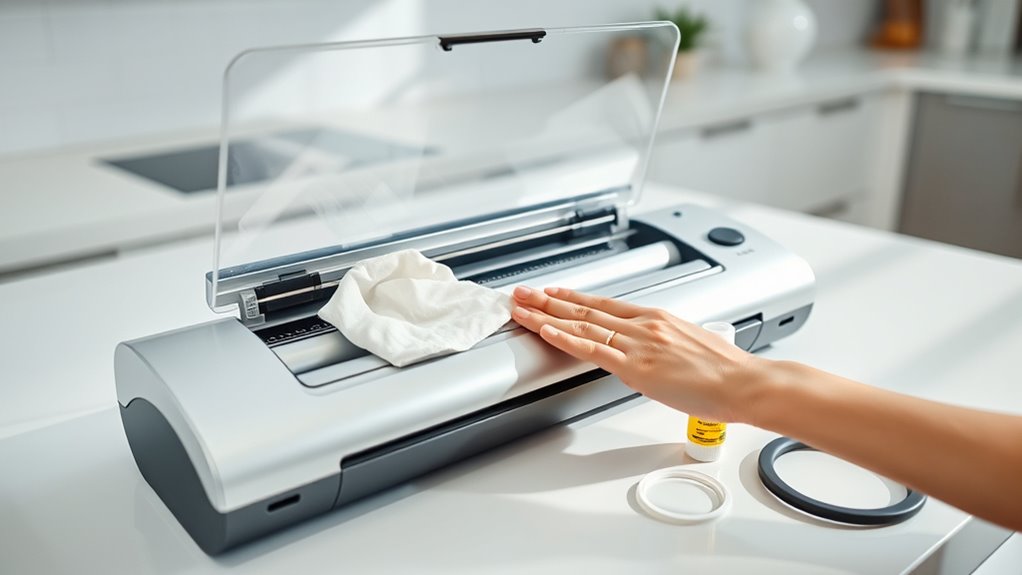
Many vacuum sealing problems trace back to simple issues you can fix yourself. First, make sure the bag is properly placed inside the vacuum channel, extending fully into the seal strip area. Improper placement often causes failed sealing.
Most vacuum sealing issues stem from incorrect bag placement in the vacuum channel’s seal strip area.
Next, inspect the gasket and seal bar for any dirt or damage—common issues that prevent an airtight seal. Clean or replace these parts if they’re damaged or dirty.
Check the lid to see if it closes tightly and locks properly, as an unsecured lid interrupts the vacuum process. Test the vacuum pump by running the sealer without a bag to confirm it creates suction; a faulty pump needs replacement.
Also, allow your vacuum sealer to cool for 20 seconds between cycles to avoid overheating. Following these quick, easy fixes will get your vacuum sealer working efficiently, keeping your food sealed and fresh without hassle.
Frequently Asked Questions
Why Is My Vacuum Sealer Not Pulling the Vacuum?
Your vacuum sealer isn’t pulling vacuum because the bag isn’t positioned right, the seal bar or gasket is dirty or damaged, the lid isn’t fully closed, or the vacuum pump isn’t working properly.
Check each quickly. You’ll usually find the problem pretty fast once you take a closer look.
Is There a Reset Button on a Foodsaver?
You might expect a reset button, but most FoodSavers don’t have one. Instead, you unplug it, wait 20-30 minutes, then plug it back in to reset.
Check your manual, just in case yours differs. It’s always good to double-check!
Why Does My Vacuum Run but No Suction?
Your vacuum runs but has no suction because the pump might be clogged, the hose disconnected, or seals worn out. Check for blockages and verify connections are tight.
Also, look out for any damaged parts. Replace them to fix it quickly.
Why Is My Foodsaver Vacuum Sealer Not Vacuuming Enough?
Wondering why your FoodSaver isn’t vacuuming enough? Check if the gasket’s dirty or damaged. Also, make sure the bag’s properly placed and avoid overfilling.
Using the right bags makes a big difference. Plus, keeping the pump in good shape helps too. Give these a try and see if it improves!
Conclusion
If your vacuum sealer isn’t vacuuming, don’t worry—you can fix it quickly. For example, imagine you just sealed leftover soup, but the machine didn’t suck out the air.
Checking and cleaning the gasket or ensuring the bag is properly placed can solve this fast. By troubleshooting common issues like clogged filters or worn seals, you’ll have your vacuum sealer working smoothly again in no time.
These simple fixes can save your food and your day. Remember, regular maintenance and proper bag placement are key to keeping your vacuum sealer vacuuming efficiently.
So, if your vacuum sealer is not vacuuming, start by inspecting the gasket and filters. Clean or replace any worn parts, make sure the bag is correctly positioned, and you’ll quickly restore your vacuum sealer’s performance. This way, you can keep your food fresh longer without hassle.